
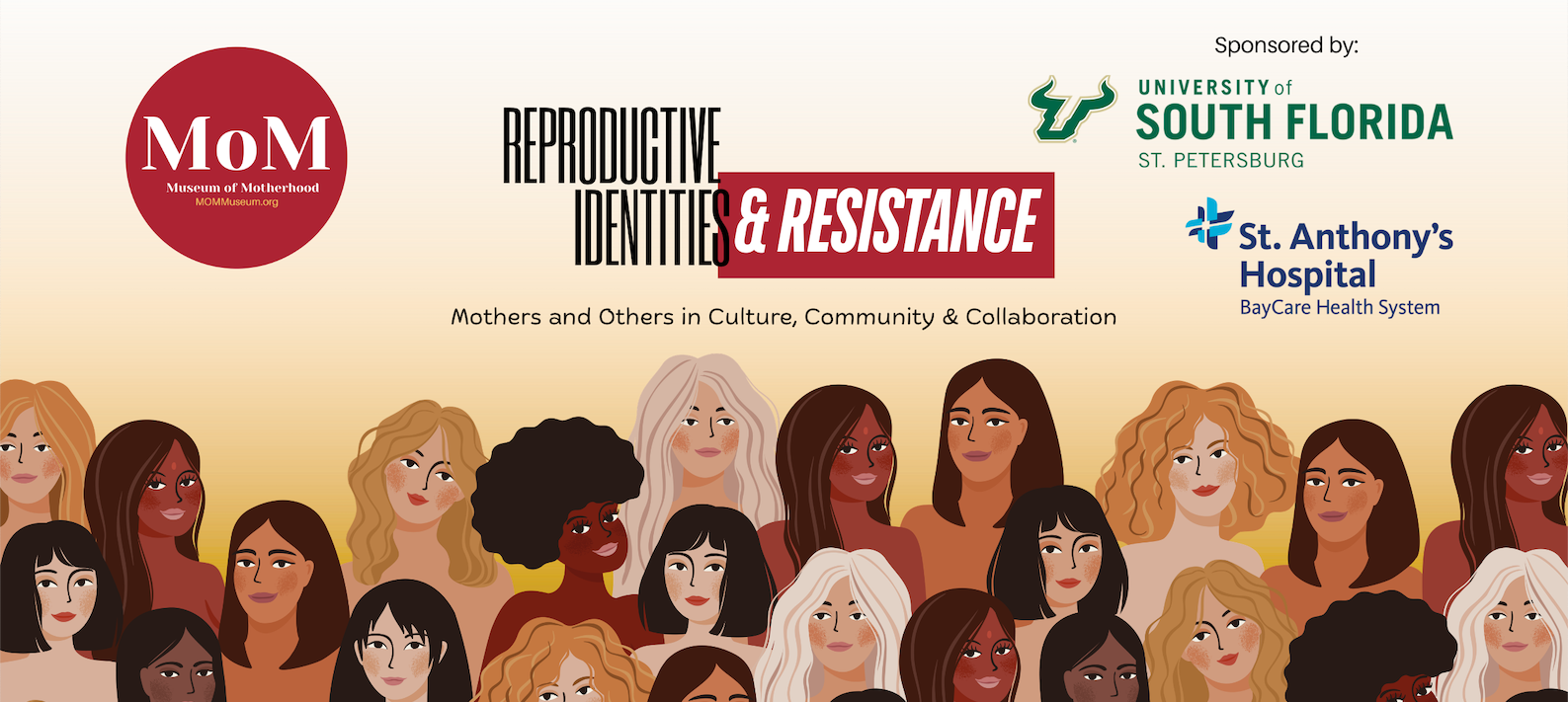
March 27, 28 (in-person) & 29 (online) 2026
For the past 20 years, since 2005, the Museum of Motherhood (MoM) has been bringing together scholars, mother-artists, change makers, and community members for the Annual Academic & Arts MoM Conference.
We have welcomed participants from around the world to join us in person and on Zoom as they share research, expertise, creative projects, and a passion for the issues, obstacles and health-related topics affecting women, m/others and families. This year is no different!
JOIN US for this year’s theme of Reproductive Identities and Resistance: Mothers and Others in Culture, Community and Collaboration
Academics, Artists & Activists
This year’s conference theme is grounded in Aurélie M. Athan’s concept of reproductive identity as a lifelong meaning-making process regarding how individuals orient themselves to reproduction, parenting, and caregiving, and the “if/when/how/who” associated with reproductive decision-making.
As a concept, reproductive identity is fluid and resists pronatalist and patriarchal mandates that dictate narrow expectations about reproductive outcomes and parenting. It centers an individual’s lived experiences and associated meanings about all aspects of reproduction, including being childfree, pregnancy, infertility, abortion, pregnancy loss and grief, adoption, and extended family systems of caregiving. The various and ever-changing meanings associated with reproduction (or reproductive potential) across the lifespan is paramount to understanding reproductive identity as a concept with emotional, spiritual, financial, familial, cultural, and political influences and implications. As a conference theme, we welcome work that shares interdisciplinary, feminist, holistic, developmental, and narrative inquiry with reproductive identity as a concept.
We invite critical reflection and collective inquiry into how maternal, reproductive, and care-centered identities are formed, challenged, and transformed across contexts, relationships, and life stages. We seek work that explores these identities not only as individual journeys, but as deeply social, political, and communal acts.
CONFERENCE: The Annual Academic MoM Conference is in person and online in 2026. We welcome individuals and roundtables conducting research, making art, working in therapeutic, medical, university, and birth settings, as well as auto-ethnographic perspectives by m/others, family members, & students. Submissions must include a title, bio, & abstract. Conference applications are due December 7, 2025. These include all submission types (e.g. performance, media, music).
We invite critical reflection and collective inquiry into how maternal, reproductive, and care-centered identities are formed, challenged, and transformed across contexts, relationships, and life stages. We seek work that explores these identities not only as individual journeys, but as deeply social, political, and communal acts.
CONFERENCE SCHEDULE
PDF VERSION OF SCHEDULE VIEWABLE HERE OR DOWNLOADABLE
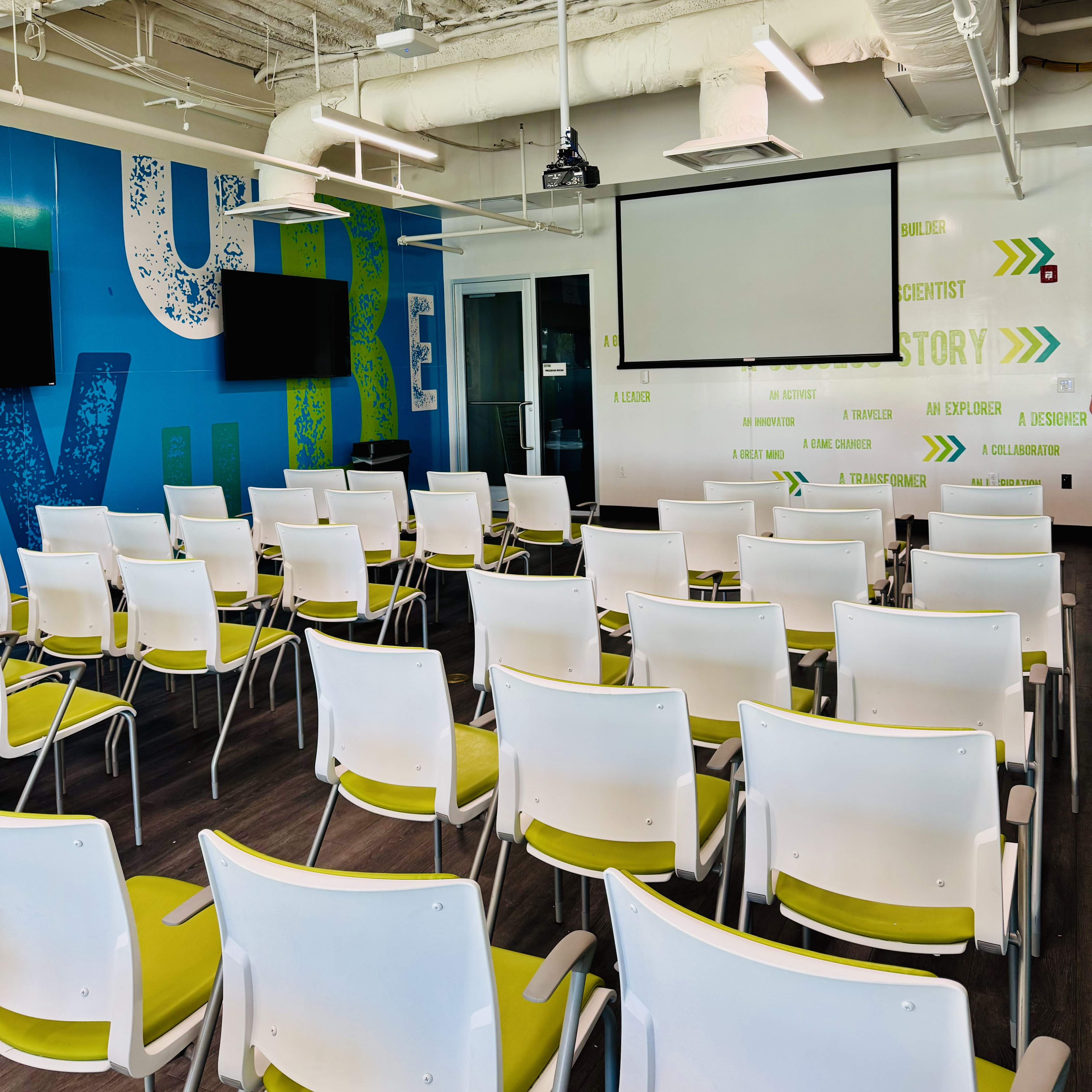
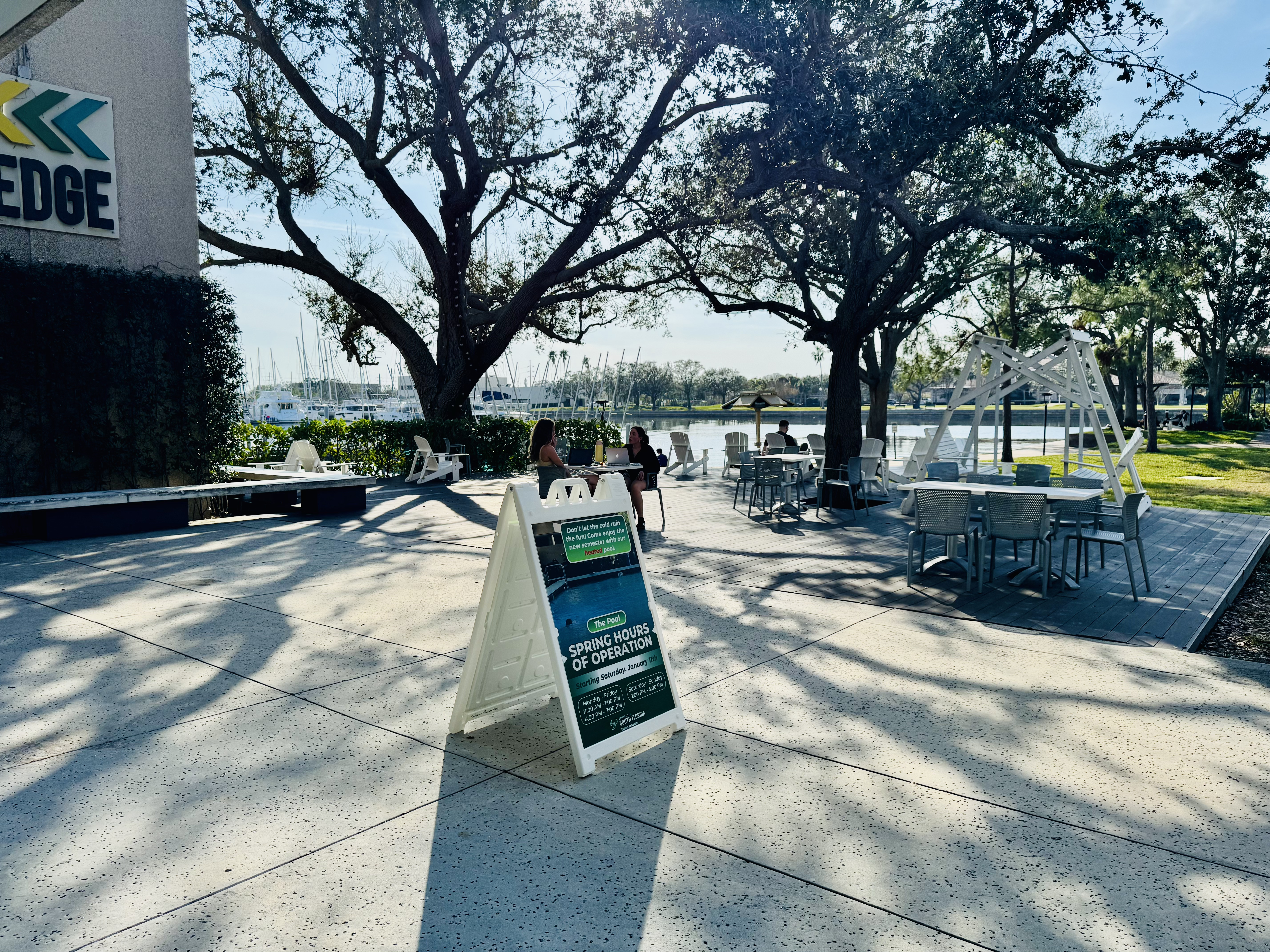
Friday March 27, 2026 @ The Edge, USF St. Pete
8:00am-8:30am EST
REGISTRATION & VENDOR MARKETPLACE
Featured vendors: The Entourage Lab, PSI & Museum of Motherhood bookstore (all day Friday & Saturday)
8:30am-9:00am EST
WELCOME MESSAGEConference Planning Committee members Brittany DeNucci, Courtney Kessel, Elizabeth Charles & Dr. Jill M. Wood
9:00am-10:00am EST
SHARES FROM THE MOTHER-ARTIST-ACADEMIC
1.Courtney Kessel
Writing in White Ink: Autotheory, the Subjective Maternal, and the Refusal of Authorial Erasure
This paper examines autotheory as a feminist framework that legitimizes lived, embodied experience—specifically maternal subjectivity—as a site of knowledge production. Tracing autotheory’s lineage from Barthes and Cixous to contemporary feminist art practice, the presentation situates the work of Mary Kelly, Lenka Clayton, and Nona Faustine alongside the author’s own practice to argue that mothering reshapes theory, art, and authorship not despite, but because of lived experience.
2.Danielle C. Wyckoff
10:00am-11:00am EST
REPRODUCTIVE IDENTITY & ACTIVISM
1.Rose Marie Prins PhD
They Had No Time to Say Goodbye: a Collaborative Project About the Crisis of MMIW
They Had No Time to Say Goodbye is a multimedia collaborative art project about the crisis of missing and murdered Indigenous women. We are a culturally diverse collective of activist/artists: Kimberly Wahpepah (Diné), a sex trafficking survivor, now an advocate for survivors; Sandi Ludescher, a New Mexico figurative painter; Lorrisa Orosco (Diné Apache), also a sex trafficking survivor, now a social worker; and Linda Piper, a Black activist, writer, theater director and storyteller. Rose Marie Prins is a visual artist and the lead artist of our collective.
2.Lindsay Polega-Quigley & Stephanie Sembler
If, When, and How We Participate: Reproductive Freedom and Democratic Life
This panel examines how reproductive decision-making is fundamentally tied to democratic participation, civic power, and collective care, drawing on legal advocacy, clinic work, and grassroots organizing in Florida to show how policies around judicial bypass, FACE Act enforcement, and ballot initiatives like Amendment 4 shape real lives. Situating these experiences within broader national trends—abortion bans, funding threats, and proposed federal legislation—the panel demonstrates how restricting reproductive autonomy also undermines economic stability, caregiving, and civic engagement, particularly for marginalized communities. Participants will leave with practical strategies for connecting reproductive health policy to lived experience and framing reproductive advocacy as both identity work and democratic practice.
11:00am-11:30am EST
MORNING BREAK
11:30am-12:30pm EST
REPRODUCTIVE & BIRTH JUSTICE MOVEMENTS P.1
1.Elizabeth “Lizzie” Zacharias
Reproductive Survival Under Siege: Colonialism, Conflict, and Maternal Health in Palestine & Sudan
This presentation examines maternal health in Palestine and Sudan through a transnational feminist lens, highlighting how colonialism, occupation, and capitalist extraction create conditions of deliberate food scarcity and healthcare collapse. Utilizing Life Course Theory and the Socioecological Model, the analysis demonstrates how systematic starvation and restricted aid produce intergenerational harm, resulting in soaring rates of malnutrition and maternal mortality. Ultimately, this work advocates for reproductive justice-centered public health interventions that prioritize the survival and sovereignty of mothers and birthing individuals in the Global South.
2. Shamella “Mel” Joy, LCSW
Still Showing Up: Advocating for Black and Brown Maternal Mental Health in a Post-Administration Landscape
This conversation will explore the challenges advocates, clinicians, birth workers, and community leaders face as they navigate the shifting landscape created by the removal or restructuring of DEI initiatives. For many working in maternal health, these changes create real barriers to sustaining programs, securing funding, and maintaining language that has historically helped highlight disparities affecting Black and Brown communities. Yet the need to advocate for equitable maternal mental health care remains as urgent as ever. The session will examine how professionals can remain grounded in the core principles of family health, dignity, and access to care while adapting to a changing policy and funding environment. Rather than stepping away from the work, this discussion invites participants to consider how maternal mental health can continue to be framed as a universal public health priority while still acknowledging the lived experiences and disproportionate challenges faced by Black and Brown families. Participants will also explore practical strategies for sustaining advocacy, strengthening community-based support systems, and communicating the importance of maternal mental health in ways that remain evidence-based, culturally responsive, and focused on improving outcomes for the communities most impacted.
12:30pm-2:00pm EST
LUNCH
2:00pm-3:00pm EST
KEYNOTE SPEAKER Aurélie Athan, Ph.D.
3:00pm-4:00pm EST
CULTURAL CONSIDERATIONS ON MOTHERHOOD
1.Dick Powis
The Entourage: A Framework for Studying the Benefits of Maternal Support Systems on Maternal, Partner, and Caregiver Health and Well-Being
In this paper, following an examination of the fundamental concept of “entourage,” I demonstrate the challenges of mobilizing the entourage in an American context and expand on its meanings in a state-sponsored public health program in Senegal. I argue that despite these challenges, the entourage can be a powerful apparatus for thinking about maternal support as a collective endeavor.
2.Lucy Wolfe
The Making (and unmaking) of Mothers After Midnight: An Interpretative Phenomenological Analysis of Continuity, Change, Maternal Adequacy, and Moral Decision Making Around Infant Sleep in Irish Mother–Daughter Dyads.
This presentation will delve into the continuity and adaptation of parenting values, routines of care and sleep practices that are embedded within socio-cultural norms and expectations, transmitted and adapted across generations. Exploring the moral, embodied, emotional and identity work that is undertaken when mothers engage in decisions and practices to settle their baby to sleep, and how they narrate their own adequacy through sleep experiences in contexts saturated with moral and cultural meaning.
3.Elizabeth Hoag
One Hundred Years of Archaeological Mothers in the Field
In recent years, there has been a concerted effort to highlight pioneering women’s contributions to the field of archaeology, often framing their professional work against a backdrop of a male-dominated field that many of them fought so hard to break into. Here, I explore the lived experiences of women and mothers over the last century, along with modern experiences and reflexive stories of mothering and professional work in the field of anthropology and archaeology. I contextualize these experiences of motherhood and mothering in the field through a matricentric feminist lens that seeks to imagine and implement a maternal identity and practice that is empowering to mothers and works to normalize mothering and parenting in the field
4:00pm-4:30pm EST
AFTERNOON BREAK
4:30pm-5:30pm EST
PERFORMANCE ART PIECE
Sway with Danielle C. Wyckoff
The work, Sway, a participatory performance, is based on love and how we can resist tyranny through identifying what it is to love and by communally pronouncing it. In this piece, video and sound play on a loop: the video shows clips of my immediate world, anchored by recurring clips of my daughter. The video visualizes my realization that love is about responsibility and accountability, and that because I love my daughter, I must also act with love to our surroundings—for her to thrive, her surroundings must also. Participants will ideate about love, write about it, speak about our ideas, and collectively create a vessel to symbolically hold our love and our descriptions of what it is to love.
7:00pm-8:30pm EST
SOCIAL HOUR, APPETIZERS + DRINKS & AWARD CEREMONY
Location: The Museum of Motherhood
Saturday March 28, 2026 @ The Edge, USF St. Pete
8:00am-9:00am EST
INTERSECTIONAL M/OTHER IDENTITIES
1.Regan Moss, Lisa Sholomon, Aurélie Athan, Ph.D. & Christine Drew, Ph.D.
Family Narratives: Disability & Reproduction
The purpose of the current study is to highlight the reproductive identities of people parenting someone with IDD and the outlook they have on their child’s reproductive future. Using interpretative phenomenological analysis, we explored RI of parents with children with IDD, the commonalities and dissonance in their collective experience. Results shed light on the complex intersection between disability, agency, reproductive identity, and reproductive trauma.
2. Dr. Lindsey Feitz
Mothering the Mother: Community Care Beyond Biology and Partners
Drawing on autoethnographic reflection following my lung cancer diagnosis last year, this early-stage project extends Patricia Hill Collins’ concept of othermothering and Andrea O’Reilly’s matricentric feminism by examining how my village of women—some mothers, others childfree—performed essential maternal labor when I was unable to care for my five-year-old son. By centering horizontal care networks in which mothers care for mothers, this work hopes to contribute to scholarship on reproductive labor, community-based healing, and the expansion of maternal studies beyond biological motherhood.
9:00am-10:00am EST
MATRICENTRIC ART AS A FORM OF RESISTANCE
1.Brenda Perry Herrera
I Do: The Invisible Labor of Women Through Art
Through an interdisciplinary art practice grounded in personal memory and lived experience, this work confronts the invisible, uncounted domestic labor disproportionately carried by women and mothers, transforming unpaid care work into visual, sculptural, and performative forms. Drawing on materials such as dryer lint, dinnerware, and binary code, the project exposes the emotional, physical, and economic costs of care while interrogating the maternal penalty, burnout, and cultural expectations of “Superwomanhood.” By making invisible labor visible, the work advocates for cultural and policy shifts toward gender equity, recognition of unpaid labor, and more inclusive systems of support.
2.Margarita Levine
Divorce Mothering: Arts-Based Autoethnography
This presentation invites you to think and contest the patriarchal subjectivities of divorce mothering that entails a consistent balance between normalizing measures and exercise of agency. The goal is to demonstrate how a matricentric art is used as a form of data to understand and interpret the traumatized mother’s soma. By honoring a feminist perspective and this artful methodology of study we will be engaged in evaluation of aesthetic self-care praxis helping to reassemble mother’s identity during and after divorce.
10:00am-11:00am EST
CREATIVE EXPLORATION ON REPRODUCTIVE IDENTITY
1.Christina Kellagher, MFA
Surviving Mother: The Complex Legacy of “Unwell” Mothers and Reproductive Identity
From a philosophical and therapeutic perspective, this presentation explores the wisdom that comes from surviving an “unwell” mother—and how that survival shapes reproductive identity in adulthood, including fear, resistance, and complexity around parenthood. I define “unwell” as a stigmatized maternal identity that can include intelligence alongside mental illness, addiction, and/or neurodivergence, and I examine what children inherit versus intentionally interrupt as they move beyond survival into self-authorship as mothers or nonmothers.
2.Lisa Sholomon, Regan Moss & Aurélie Athan, Ph.D.
“Exploring Factors Shaping Reproductive Identity among Non-Parents,” and “Parenthood is extremely rife with conflicting thoughts and desires and dilemmas”: Exploring Factors Shaping Reproductive Identity among Non-Parents
Reproductive identity (RI) is an emerging psychosocial concept that reflects an individual’s reproductive orientation, experiences, and desires (Athan, 2020). Similar to other identity constructs such as race, sexuality, and gender, RI is shaped by factors such as centrality and fluidity. The current study addresses the unique factors that influence RI and explores how RI interacts with other salient identities.
11:00am-11:30am EST
MORNING BREAK
11:30am-12:30pm EST
“WHO AM I?” EXPLORATION ON REPRODUCTIVE IDENTITY
1.Camille Prairie
This Wasn’t In My Birth Plan: The Effects of Planned Cesarean Delivery on Maternal Identity
This presentation draws from ongoing narrative research to examine planned cesarean birth as an identity-shaping experience rather than a purely medical event. Through interviews and analysis of online birth communities, it explores how birthing people make sense of agency, authority, and self-image after surgical birth. The work invites broader reflection on how motherhood is shaped by the stories we are told—and the ones we must write for ourselves.
2.Jess Fedenia
Volution
Volution, a short story, explores how pubic hair shapes one woman’s identity and transformation. Some of it is true, and some of it is not.
3.Dr. Kelsey Evans-Amalu & Dr. Elizabeth Bendick
Identity of Motherhood: A Developmental Reorganization
Reproductive identity unfolds across the lifespan as individuals move through cultural expectations, relational dynamics, and the inner meaning-making processes that shape beliefs about care, mothering, and the body. Grounded in Aurélie M. Athan’s reproductive identity theory, feminist embodiment scholarship, and somatic psychology, these presenters explore sensual movement as a pathway for exploring how people come to know, nurture, and reclaim themselves within and beyond caregiving systems.
12:30pm-2:00pm EST
LUNCH BREAK
12:30pm-2:00pm EST
WORKSHOP
Student Writing Workshop with Dr. Jill M. Wood & Elizabeth Charles
This 90-minute workshop supports students in the humanities, social sciences, and interdisciplinary fields who are working on theses, dissertations, or publication-bound writing.
This workshop is designed for graduate students, but postdocs and advanced undergraduate students are invited to attend.
2:00pm-3:00pm EST
ON YOUNG MOTHERHOOD
1.Ayaka Takayama
Galleries of Resilience: Documenting Adolescent Motherhood through Photovoice
Co-Authors: Takayama, A., Rahman, M., Abdullah, S., Lewald, D., Vamos, C., Baaske, C., Macelli, B., S. Shockley, Sanchez, L., Duffy, N., Mitchell, A., & Riley, J.
Young mothers often navigate complex intersections of cultural expectation and community care, yet their own interpretations of motherhood remain underrepresented in research. Adolescent moms (n = 10) were invited to select or capture images symbolizing key emotions, environments, relationships, and forms of resistance that have shaped their reproductive journeys in this pilot project. Adolescent moms (n = 10) were invited to select or capture images symbolizing key emotions, environments, relationships, and forms of resistance that have shaped their reproductive journeys in this pilot project.
2.Mahir Rahman
Curating Destinies: Navigating Identity and Care among Pregnant and Parenting Adolescents
Co-Authors: Rahman, M., Takayama, A., Abdullah, S., Lewald, D., Vamos, C., Baaske, C., Macelli, B., S., Shockley, Sanchez, L., Duffy, N., Mitchell, A., & Riley, J.
Adolescents stand at the center of complicated maternal, child, and infant health policies, protocols, and practice. Ethnographic, interdisciplinary, and mixed-methods research in both Huanchaco, Perú and Tampa, Florida, highlight how adolescent moms cope, struggle, and navigate their identities and healthcare in nuanced sociopolitical contexts. Adolescents are often identified as “others” in languages of care and educational protocols, securing poor educational and sociomedical outcome that contribute to global discourse about adolescent pregnancy.
3.Serena Abdullah
Mapping Reproductive Resistance: Journey Mapping and Adolescent Motherhood
Co-Authors: Abdullah, S., Rahman, M., Takayama, A., Lewald, D., Vamos, C., Baaske, C., Macelli, B., S. Shockley, Sanchez, L., Duffy, N., Mitchell, A., & Riley, J.
Although adolescent mothers are often discussed within public health, their own experiences of care, stress, and support remain underrepresented. Mothers, aged 14-21, completed a journey mapping process to show emotional, social, and practical turning points across pregnancy and postpartum. The journey map also served as a discursive tool that allowed young parents to reflect on their experiences and highlight both challenges and positive moments, while themes related to mental health, school continuity, and housing further shaped their sense of wellbeing.
3:00pm-4:00pm EST
EMPOWERED MOTHERING
1.Nicole Jones
Parent Advocacy as Collective Care: Building Family-Centered Civic Engagement Spaces
This presentation explores the Parent Advocacy League (PAL), a family-centered civic engagement model that integrates caregiving, community building, and democratic participation. Through child-inclusive gatherings and collective action, PAL reframes parenthood as a site of resistance and collaboration—demonstrating how mothers and caregivers can remain civically engaged while meeting the realities of family life. The session offers a practical, replicable model for sustaining activism within caregiving communities.
2.Susan Perz, Ph.D., LMFT, LPC
How Can Mothering and Women’s BodyWisdom Affect a Woman’s Identity, Empathy, and Leadership?
This presentation will explore how cycles of menstruation, pregnancy, breastfeeding, and m/othering have the potential to uniquely influence how empathy develops in women, and how this can develop into an ethic of care based in mutuality that is at the core of women’s leadership. We will explore why this matters to individuals and families, and why it has mattered in the course of history as we discover that women have been the primary architects or catalysts for almost all of the major social movements in the United States, beginning with Iroquois women. We will explore an overview of how empathy develops uniquely in women, how it can grow into mutuality and an ethic of care, and how this can shape mothering and women’s leadership. This talk is drawn from my 2016 book, “Conceiving a Peaceful World: Women’s BodyWisdom, Leadership, and Peacemaking.”
4:00pm-4:30pm EST
AFTERNOON BREAK
4:30pm-5:30pm EST
COMMUNITY MODELS OF CARE: REPRODUCTIVE LOSS & DECISION MAKING
1. Elizabeth Charles
Reproductive Decision Making After Loss
Aurelie Athan’s concept of reproductive identity describes the fluid, lifelong, iterative process of both decision-making and meaning-making that individuals undertake around reproduction, parenting, and caregiving. Reproductive identity is framed as the “if/when/how” of becoming a parent, but identity construction does not stop at conception: it continues throughout gestation, birth, and postpartum, and is negotiated differentially according to life experiences, such as trauma and loss. When I decided to get pregnant for the third time after a life-threatening pregnancy loss, I spent months building an intentional network of support, framing this process as creating my own community ecology of care. This panel will explore how reproductive identity and decision-making are interpolated by experiences of reproductive loss and trauma, and how holistic models of reproductive care that incorporate physical, mental, emotional, and spiritual healing can improve outcomes for pregnant individuals. We will apply the concept of reproductive identity while considering how we can create better ecological models of reproductive care, especially for individuals who have experienced loss or trauma.
2. Dr. Hillary Talbott
The Role of Traditional Chinese Medicine (TCM) in Navigating Reproductive Loss in the Modern World
How can ancient paradigms offer wisdom in the modern reproductive landscape? This talk explores how Traditional Chinese Medicine understands miscarriage not as an isolated event, but as a disruption of blood, spirit, and containment within the body. In a culture where reproductive loss is both prevalent and often silenced, this lens offers language, physiology, and reverence for experiences that frequently go unseen.
3. Sydney Logan, L.M. & Rowan Smith, L.M.
Thrive Midwifery presents Midwifery Care After Varied Pregnancy Outcomes
5:30pm-6:30pm EST
WORKSHOP
Mothering the Self with Dr. Kelsey Evans-Amalu & Dr. Elizabeth Bendick
Mothering the Self reframes mothering as an internal, embodied practice of self-attunement and agency—beyond biological or social parenthood—using accessible, chair-based sensual movement, breathwork, and reflection grounded in reproductive identity theory, feminist embodiment, and somatic psychology. Through inclusive, decolonial practices, participants explore how reproductive narratives are held in the body and how sensual embodiment can foster healing, agency, and new care-centered identities across diverse reproductive experiences.
Sunday March 29, 2026 via online
THE MESSINESS OF M/OTHERHOOD
1.Raisa Nosova
1.Tides of Tolerance
2. Tears of Joy
These two films stage frozen breastmilk sculptures, the first, cast as hardware tools positioned on pedestals, titled Tears of Joy, and the second, individualized breasts mounted on the wall titled Tides of Tolerance, that melt unapologetically, leaking and pooling as wall‑mounted pieces slump and shatter into slushy fragments. The performative sculpture installation deploys materiality and abjection to foreground the embodied, affective toll of motherhood. The work interrogates the taboo around breastfeeding, the clinical and epistemic gaps that produce oversupply and forced pumping, and the political economy that renders maternal labor unseen and messy.
2.Miranda J. Brady
“We Want More Babies”: Natalist Discourse and Politics in the U.S.
This paper focuses on the ways in which contemporary U.S. pronatalist discourse and political interventions have constructed mother citizens in binary opposition to outsider / others. It examines how a variety of players, from politicians to influencers, employ nationalistic pro- and anti-natalism toward the ends of population management in various cultural and political sites. It argues that by problematizing both fertility crisis and imagined internal and external threats to the state, U.S. natalists encourage prolific, white motherhood as duty to country, family, church, and a national imagined community.
3.Rebecca Waddell, MA Researcher
The mess in the middle
This presentation examines why matrescence, the profound reorganisation of identity that accompanies motherhood, is so often experienced as distressing. While upheaval is culturally recognised as developmental in other life stages, motherhood remains framed as natural and stable, rendering maternal instability readily pathologised and treated as something to be fixed. Drawing on feminist psychoanalysis and analysis of two contemporary artworks, I argue that art offers an alternative frame: a holding space where the mess in the middle can be sustained as transformation rather than disorder.
BLACK WOMEN’S REPRODUCTIVE HEALTH, JOURNEY & POLITICS
1.DaKysha Moore, PhD & Dr. Elijah O. Onsomu
Images of Black women in a health crisis: Visuals and conversations of miscarriages on
television and films
In the media, viewers rarely see images of pregnancy loss especially among Black women. The lack of imagery could contribute to a lack of awareness about this health disparity. The purpose of this exploratory study is to analyze images of Black female characters’ experiences of miscarriage on either television or in films. The images are from Grey’s Anatomy, Sweet Magnolias, The Diary of a Mad Black Woman, and When the Bough Breaks. A thematic analysis results in four themes: the age factor, the physical, the emotional challenge, and strong and successful women.
2.Dr. Lauren Harriett, DO, MBA
Community-Led Approaches to Postpartum Health
This community-engaged research partners with two Chicagoland doulas and community research teams to co-design and lead projects focused on improving postpartum care. One project explores postpartum mental health, community support, and connections back to medical care through focus groups with postpartum people in Chicago. A second project centers doulas’’ experiences with Medicaid reimbursement, aiming to strengthen institutional support and advance maternal health equity by honoring community expertise and shared leadership.
REPRODUCTIVE & BIRTH JUSTICE MOVEMENTS P.2
1.Mariya Atker
Beyond the Clinic: Gendered Power, Women’s Lived Experiences of Infertility, ART, and Motherhood in Bangladesh
This study explores infertility in Bangladesh as more than a medical condition. It looks at how infertility is lived and felt within everyday social life, shaped by gender expectations, stigma, religious beliefs, economic constraints, and clinical intervention. Based on qualitative fieldwork and phenomenological analysis with women, men, and fertility specialists, the research shows that women carry most of the physical, emotional, and moral weight of infertility and assisted reproductive treatment, even when medical diagnoses point to male factors. Assisted reproductive technologies offer hope, but they also introduce new forms of bodily monitoring, pressure, and vulnerability. The study argues that infertility is deeply embedded in relations of power and inequality, and that meaningful responses must go beyond clinical treatment to include gender justice, emotional care, and reproductive rights.
2.Giulia Po DeLisle
Midwifery, Reproduction, and Narrative: The Case of Italy
My presentation examines Bibbiana Cau’s novel La levatrice (2025) and Giuliana Musso’s theatrical monologue Nati in casa (2006). Each reevaluates the importance of midwives as vital members of rural communities and skilled healthcare providers. Both are based on extensive archival research and oral interviews, rooted in a strong commitment to giving voice to women’s reproductive experiences. This article provides a historical overview to contextualize the enactment of laws that professionalized midwifery. It then draws on concepts in Reproductive Justice Studies to show how the works reveal the adverse effects of medicalization on the development of obstetric care, and on Matricentric Feminism to demonstrate how the narratives underpin midwifery’s holistic approach, which prioritizes the mother’s unique needs and autonomy.
3.Rebecca Feinberg
Crisis Pregnancy Centers – Maternal Autonomy Under Attack
Motherhood came under attack in the US Supreme Court’s decision in Dobbs vs. Jackson Women’s Health Organization and is further exacerbated by the presence of Crisis Pregnancy Centers (CPCs). CPCs present falsehoods and overt lies disguised as medical advice, posing a serious danger in an environment where access to the full range of reproductive healthcare is being legislatively limited. This presentation will explore the behavior practiced in CPCs and its influence on the autonomy of motherhood.
ARTMAKING AND CREATIVITY AS RESISTANCE
1.Kate Golding
Embodied Monuments: care-work as counter-memorial artistic practice
‘Embodied Monuments’ is an ongoing creative practice-led research project that examines how intergenerational collaborative art-making can function as a counter-memorial practice. This presentation discusses two of the author’s most recent community-engaged art projects that foregrounded intergenerational dialogue and collective memory-keeping.
2.Lydia Pandian & Elizabeth Griggs
Creative Resilience: Arts-Based and Visual Practices of Indian Immigrant Mothers (IIM) in Ontario
Drawing on Global South Indigenous arts based participatory research, this presentation explores how storytelling, visual art, and memory work enable Indian Immigrant mothers to reconstitute identity, assert agency, and cultivate collective care within contexts of structural inequality, racialized labor, and cultural dissonance.
3.Dr. Courtney Lee Weida
Magical Mentors, (M)Others, and Makers: Mermaid Museums, Princess Poetics, Fairy Fibre, Witch Weavings, and Unicorn Utopias
This presentation explores myths and metaphors of artists’ and teachers’ lives and relationships, comparing our decades-long careers of learning and teaching to magical hero/heroine’s journeys (Murdock, 1990). This work addresses artists and teachers as mythic figures embodying/traveling across the realms of art media and education practice, lifelong weavers of tales and tapestries, and magical mentors to other makers. Our research intersects with girlhood studies and fairy tale studies, bringing intergenerational symbolism and dialogue to bear in the form of nostalgia and mythic collaborations between generations.
CARE-GIVING AND CARE LABOR IN FAMILIES
1.Sanjukta Bhaumik
Motherhood in the City: Care, Space and Urban inequality
This presentation looks at how motherhood is lived and experienced in Indian cities, where care work supports everyday urban life but often goes unseen and unsupported. Drawing from my doctoral research, I explore how public spaces, city infrastructure, social expectations, and economic pressures shape mothers’ daily routines, showing both the inequalities they face and the strength and creativity with which they respond. By looking at the city through the lens of care, this talk invites us to understand motherhood not as a private duty, but as an important social and political issue that matters to the future of our cities.
M/OTHERING ACROSS THE LIFESPAN
1.Samantha Ussher
Exploring Friendship Assemblages in Mothers of Early Adolescents in Wellington, New Zealand
Social relationships shape mental health and wellbeing, yet friendship in motherhood, particularly beyond pregnancy and the postpartum period, remains underexplored, despite evidence that mothers of early adolescents experience heightened loneliness and stress. Friendship during motherhood is an emergent and evolving process shaped by human and more-than-human forces, but little is known about how these dynamics operate as children grow older. Using assemblage theory (Deleuze and Guatarri, 1980) and collage-as-method qualitative data, this study explores the friendship assemblages of mothers of early adolescents in Wellington, New Zealand, highlighting how relational, social, temporal, and cultural forces shape maternal mental health.
PERSONAL AND SYSTEMIC INEQUALITIES OF MOTHERHOOD
1.Kasey Jones
A Mother’s Cry: Peril Amid the American Dream
A Mother’s Cry: Peril Amid the American Dream examines the systemic failures facing working mothers in the United States, where workplace standards designed around male labor norms continue to dominate contemporary professional culture. Drawing from personal experience and comparative global research, this project exposes how inadequate maternity support impacts the physical, mental, and moral well-being of mothers. Through the creation of the Working Mother Suit, this work calls for a redefinition of the American Dream, one that values care, health, and family as essential to national success.
2.Sio Lyons, Ph.D.
Infertility While Undocumented: A Hail Mary to the Void
This creative personal hybrid essay examines infertility at the intersection of an undocumented status through a narrative of three IVF cycles that ended in failure, miscarriage, and loss, while interrogating the right to parenthood as disrupted by current immigration agendas. Centering experiences that are often absent from the dominant IVF narrative, the piece explores what infertility looks like when constrained by immigration status, geographic isolation on a Caribbean island, and restricted mobility. The essay situates the personal story within broader cultures of silence, shame, and surveillance in the United States.
“WHO AM I?” M/OTHER IN COMMUNITY
1.Heather Beier
Curdled Milk: Alternative Motherhood, Child Disability, Maternal Bereavement and Trauma
Curdled Milk is a hybrid creative-critical which phenomenologically explores the intersections of maternal bereavement, queerness, trauma, and the reality of working and lower-class maternal identity. Central to the project (and this reading), is a lyrical exploration of the psychogeographical exploration of motherhood, which places the importance on maternal locality rather than macro-level social messaging and maternal construction. In homage to Denise Riley’s (2019) theory of ‘a-temporality’ and mourning, the piece moves through time non-linearly, and attempts to put into words the ‘unimaginable’ experience of child loss.
2.Dr. Jennifer Martyn
“It’s a trap!”: Negotiating childcare arrangements, paid work and mother identity in Ireland
This paper presents some preliminary findings of a study that investigates the relationship between a mother’s return to paid work and mother identity. Including findings from interviews with a number of mothers living and working in Ireland, this paper shows that women offer oppositional discourses of outrage toward the national childcare crisis and the ‘trap’ in which they find themselves.
3.Amy Wagner, Amy Crocker & Susan Smith
Mother as athlete: Trans(forming) new identities postpartum
How does the self-identified athletic mother return to sport after pregnancy and negotiate their new identity/transformative journey? This talk will address the history of mothers as athletes, both elite and recreational, facilitators and barriers to returning to sport after birth, and multiple identities as athlete-mothers.
REPRODUCTIVE TRAUMA & HEALING OF THE INDIVIDUAL AND THE COLLECTIVE
1.Jamie R. Abrams
Missing Mothers: The erasure of pregnant people from law firm websites seeking “Birth Injury” clients
This presentation summarizes a study of personal injury law firm websites as prospective clients seeking legal representation for preventable maternal harms suffered in pregnancy or childbirth. These sites almost universally erase the identity of pregnant people by implicitly collapsing “birth injury” to include only fetal or infant harms without a comparable maternal harm category. This erasure escalates the standard of care crisis facing pregnant people in medical settings.
2.Faatimah Solomon
Breathwork, Birthwork, and Black Muslim Birthing Narratives
This qualitative research project examines how spiritual, cultural, and community-based models of care and radical healing traditions shape the birthing experiences of Black Muslims. Grounded in Black feminist theories and Islamic reproductive justice frameworks, this project aims to understand lived experiences of childbirth, examine how faith informs decision-making, and identify gaps in accessing faith- and culturally-aligned care. It further seeks to identify support systems, resources, and practices that Black Muslim birthing individuals rely on, and to offer recommendations for models of care that meet their medical, social, and spiritual needs.
3.Rebecca Marcelina Gimeno, Ph.D. & CT
Cut Open: Miscarriage and the (Dead) Mother Shark
“Cut Open: Miscarriage and the (Dead) Mother Shark” is a lyrical essay that interweaves personal narrative with psychoanalytic and phenomenological theory to explore containment and its failure in the context of miscarriage. Through an unexpected encounter with a dying mother shark on a beach—a phenomenological disruption that externalized interior loss—the essay theorizes interspecies grief, maternal time, and the refusal of consolation, arguing that disruption and violence are not aberrations but constitutive elements of maternal experience.
THE PROCESS OF BECOMING
1.Ms. Markella Kaplani
Matrescence, Patrescence, and the Silent Restructuring of Identity: How Parenthood Rewrites the Self, the Couple, and the Culture
Parenthood does not simply expand a family, it reorganizes identity. This presentation explores matrescence and its quieter parallel, patrescence, as profound psychological and cultural transformations shaped by social expectations around gender, care, and sacrifice. By reframing identity loss, relational strain, and emotional overload as responses to systemic pressures rather than personal failure, this session invites a more honest and equitable understanding of motherhood, fatherhood, and the politics of care.
2.Alicja Korek
Surrogate mothers in the global reproductive economy: agency, narratives, and feminist perspectives
“Surrogate Mothers” is a research-creation feminist graphic novel examining transnational commercial surrogacy in Ukraine during the war and in India following its 2016 prohibition. Drawing on interdisciplinary feminist scholarship, the project analyses how global inequalities, neoliberal markets, and neo-colonial power relations structure reproductive labour, while critically addressing dominant media and scholarly representations that frame surrogate mothers primarily as passive victims. Combining scientific evidence with narrative fiction, the work proposes graphic storytelling as a methodological and pedagogical tool to foreground surrogate mothers’ agency, resistance, and sisterhood within the globalized economy of reproduction.
3.Bella Watson
Matrescence and the Artist Mother
This spoken word piece traces my matrescent journey from traumatic birth and the fracturing of identity, through years of creative absence and structural marginalisation, toward a return to self through art making. Weaving personal story with political reflection, it exposes the maternal wall and the quiet systems that shape who gets to be and remain visible as an artist. It insists that matrescent art is essential, and that through making and witnessing, both artist and viewer are seen, held and re-integrated.
TO SUBMIT: go to https://jourms.org/submit/. Questions can be emailed directly to JourMS@gmail.com. Or call 877-711-MOMS (6667) leave a message. All submissions may also be considered for publication in the Journal of Mother Studies (JourMS.org) at presenter’s discretion. MOMmuseum.org St. Pete, FL USA.
JOURNAL OF MOTHER STUDIES (JourMS): All submissions for the conference should also consider submitting to the Journal of Mother Studies, an academic, peer-reviewed, hybrid digital humanities journal devoted to Mother Studies published annually. Final submissions for the Journal are due by May 30th (midnight). JourMS
*In gratitude to USF for their abundant support – ALL USF STUDENTS & STAFF MAY REGISTER FOR FREE ATTENDANCE TO THE CONFERENCE. Please follow the link below and sign up using the form at the bottom of the ‘registration’ page.
PDF VERSION OF SCHEDULE VIEWABLE HERE OR DOWNLOADABLE





Campus Map Here
Annual Academic & Arts MoM Conference Schedule 2025– SCHEDULE/ MORE
Annual Academic & Arts MoM Conference Schedule 2024 –SCHEDULE / PRESS RELEASE
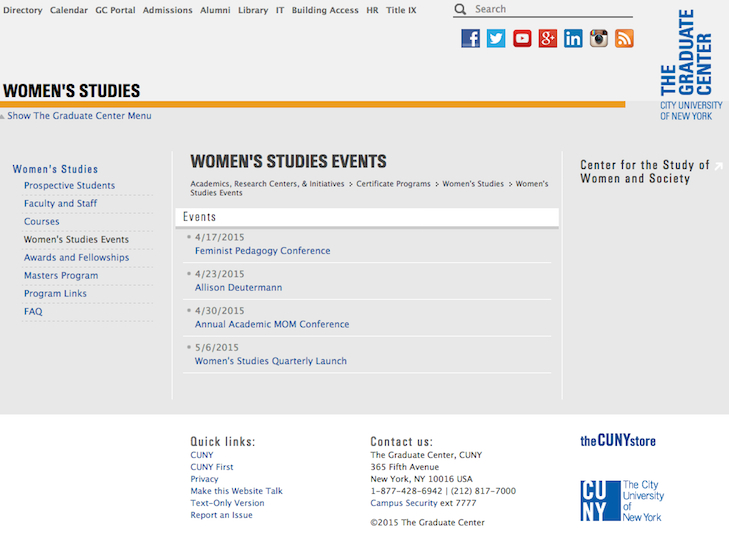
The 10th Annual Academic M.O.M. Conference was held a CUNY, The Graduate Center in 2015, sponsored by the Women’s and Gender Studies Dept. Find out more by going to the Museum of Motherhood and clicking here.


 - JourMS -
Leave a comment