
By Isabel Löfgren1 & Patricia Goùvea2
Abstract
This article reflects on Mãe Preta (Eng. Black Mother), a research-based art project on the deep memory of Black motherhood and slavery in Brazil, developed by the authors since 2015. The project grew out of the simultaneous births of their children and their engagement with maternal justice groups and Afro-brazilian activists in Brazil during the Olympic context in Rio de Janeiro. The article describes how the project began at the Instituto de Memória e Pesquisa Pretos Novos, a memorial site that holds the remains of a burial ground for enslaved Africans in Rio de Janeiro’s old port area. Between 2017 and 2021 it travelled to five further sites, from public galleries to a quilombo at the edge of the Amazon. Writing as artist-researchers and mothers and working as an artist duo, the authors describe a methodology that was iterated over time rather than fixed in advance in four different phases: entering the site, lifting voices and narratives, counter-archival gestures, and activating collaborations. The essay draws on Culbertson’s notion of deep embodied memory, the Black feminist thought of Lélia Gonzalez and Beatriz Nascimento, and Walmeri Ribeiro’s concept of ”porous bodies.” to discuss the ethics of working on sacred and traumatic ground, building trust with institutions and Black communities, intervening in nineteenth-century visual archives of slavery, and gradually handing authorship and public programming to Black collaborators. The authors propose visual repair as a practice of care that turns the gaze toward the hidden protagonism of Black motherhood in Brazilian visual and social history through this artistic process. They acknowledge, with Hartman, that such gestures cannot undo the structural violence of the archive, but argue that they remain necessary.
Introduction
In this article, we share our experience as art practitioners working on a long-term research-based art project about and with Black motherhood and the deep memory of slavery in Brazil. As artist-researchers, we have been collaborating as an artistic duo since 2011 on projects rooted in sites of memory, visual archives, and social critique. Mãe Preta (Eng. “Black Mother”) is our second long-term project and centers on the simultaneous birth of our children in 2014, an event that led us to conduct extensive research into the foundational political and social role of Black motherhood in Brazil, and the complex racial entanglements with white motherhood, spanning from the times of slavery to the present day.
Isabel Löfgren has been a visual artist for twenty years in fine art and media production, with art exhibitions and public art mainly in Sweden and Brazil (Löfgren, n.d.). Patricia Goùvea is a visual artist based in Rio de Janeiro, Brazil, working with photography, experimental film, performance, photography criticism, and cultural production (Goùvea, n.d.). We have been working together for more than twenty years, and our connection includes the extraordinary experience of breaking water on the same day. We are both working artist mothers with academic careers in parallel with our individual and joint art practices. The early years of motherhood posed significant challenges – but also opportunities – for our careers and our combined artistic practice. The opportunity entailed living through the challenges of early motherhood collectively through the all-absorbing personal upheaval of motherhood, and projecting these challenges into a wider, contentious, and profoundly unequal social realities in relation to differential motherhoods in our country, and translating this into a new artistic language. In time, these parallel paths have informed and influenced one another organically, each contributing with exchanges, concepts, tools, and methods that often seem at odds with each other, but which also changed how we relate to work, research, art, and motherhood itself – while also transforming each other in the process.
Working as an artist-mother duo eases the work burden of the individual artist as we are able to share the work in the cracks of time: communicating on WhatsApp across time zones while cooking dinner, commuting, and late nights after children have been put to sleep. The precarity of time is compounded in the precarity of funding where we rely upon cultural grants and hustling for contacts and opportunities, rather than relying on research grants whose competitive and exclusionary systems are unrealistic given the often unavailable and unfinanced time to write research applications. We rely instead on shorter term cultural funding where we already have more established networks. Ontologically, we are therefore hesitant to pigeonhole our work as “practice-based artistic research” in the terms defined by research evaluation criteria and academic protocols. Since most of our projects, including Mãe Preta, received funding from the cultural sector, like art institutions and arts foundations, as well as local governments, the inverse formulation of “research-based artistic practice” is more appropriate. Even though public funding may often be dependent on political agendas from authorities and cultural bodies, it has nonetheless allowed us to work more experimentally outside the constraints of both academia and the commercial art world. It also aligns better with our ethos of civic responsibility contingent on political and social realities where art is of public interest. Nonetheless, our academic experience has inevitably influenced how we incorporate academic research into our practice, visible in the artworks in Mãe Preta, and more specifically in how we mediate and activate parts of the exhibition in educational programs, publications, and collaborations. This follows a growing tendency in contemporary art practices increasingly being developed in academicized art environments, or being instrumentalized by other academic disciplines taking different forms, producing different types of knowledge, and creating different ways for viewers to attend to the information assembled (Bishop, 2023).
In this article, we prefer to use “research-based” more broadly as a way to describe our collaborative process of gathering archival data, situating different forms of knowledge production, and engaging in dialogue with a variety of practitioners and social actors in our joint artistic practice – a defining feature of the methodology we present and reflect upon in this article. This refusal to settle inside a single institutional category and co-creating artworks in many dimensions is not incidental to our work and is closer to a working method which also takes the embodiment of motherhood into account. Following Walmeri Ribeiro (2021), we therefore position ourselves in this work as “porous bodies,” as a “way of being in the world, of connecting, of mixing, creating zones of contamination and contagion, without edges, borders, (…) capable of feeling, listening, and incorporating (becoming a body) micro-movements, micro-sounds, tactilities, and temporalities, as well as macro-movements and the amplitude of the whole in which it is inserted” (p. 23) (Authors’ translation). This porosity takes shape as we move between funding logics, disciplines, and the roles of researchers, artists, and mothers without fixed edges. Porosity, for us, names both a way of working through, with, and about motherhood as a historical construction, as well as a way of relating to the sites, communities, and archives we engage with a “strategy of care, respect, and attention,” as curator and art sociologist Leenhardt (2023, p. 119) aptly describes our work. Thus, becoming porous bodies through “mothering” entwines the research process and our artistic work equally between praxis and poiesis, transformed into a form of poetic and anti-racist feminist political engagement with the visual history of Black motherhood in Brazil seen through the enduring coloniality (Quijano, 2000) and colonial matrix of power (Mignolo, 2007) as worked through in the Mãe Preta art project.
What follows is an account of the research-based art project Mãe Preta we have co-authored since 2015 where we investigate art, time, and the deep memory of Black motherhood in Brazil through a visual strategy situated in art and photography archives, historical sites such as slavery memorials, and contemporary Afro-Brazilian feminist struggles. Our long-term partnership has resulted in a working methodology which has been iterated over time rather than fixed in advance. Here, the erased histories from Brazil’s slave past resurface and are mediated through artistic methods and different forms of public-making as a practice of visual repair. These have been materialized as exhibitions and public installations, and activated through performance, educational programs, and publications resulting from collaborations with an array of art institutions, researchers, archives, technicians, social actors, activists, artists, and several non-affiliated individuals. This article tells the story of a collective artistic journey according to a scheme that summarizes our process: entering the memory space of the site, repairing the gaze archives, finding narratives to speak through, and activating collaborations. At the end, we offer reflections by way of theories and positionalities that situate our work in wider frameworks where we evaluate our experience of dealing with historical trauma through visual repair with this artistic work. We are fully aware that a gesture of repair and care is not sufficient to surmount the violent, systemic erasure of archives of slavery and its aftermath, which Hartman (2019) argues is structurally incapable of holding Black humanity. Nonetheless, this decade-long project has shown that this gesture is still necessary.
Setting the stage
The genesis of Mãe Preta in 2015 is contingent on our personal anxieties regarding early motherhood and on broader political and social realities of motherhood in Brazil (Mãe Preta, n.d.). We became mothers at the same time. Whereas Isabel, who lives in Stockholm, gave birth safely in the Swedish public health system, Patricia suffered institutional violence in a private maternity ward in Rio de Janeiro, Brazil, which gave her a general infection that nearly cost her life. This difference in birthing conditions led to our growing concern for maternal justice. During pregnancy and post-partum periods, we were active members in a Facebook group of feminist motherhood activists advocating for humanized birthing3 based in Rio de Janeiro. The group was diverse, and our various motherhood identities were grounded on shared experiences of birthing, rearing children, and dealing with the joys and sorrows of motherhood, livelihood and well-being set against a wider context of social injustices in Brazil.
On the streets, the political climate was turbulent. While our hometown, Rio de Janeiro, was going through many urban transformations in preparation for the 2016 Summer Olympic Games, politics in Brazil was becoming increasingly polarized, after a parliamentary coup impeached the country’s first woman president.4 Multiple waves of political protests included the protection of women’s rights against systemic gender violence and rising religious and political conservatism.5 In this context, Black women were especially vocal in advancing intersectional feminist agendas led by rising Afro-Brazilian feminist intellectuals, activists, and politicians prominent in the arts and social media (Malta & Oliveira, 2016). Many of these issues were discussed in the Facebook group regarding motherhood across race and class, such as structural disparities between white and Black motherhood in a country where i.e. Black women are disproportionately victimized by obstetric violence, and where police violence against Black youth is prevalent. These are legacies of a deep-seated racism in Brazilian society that still reverberates from its slaveholding past. Furthermore, the historical co-dependency of white and Black motherhood was often reflected upon in a country where many Black women still perform care work for white elites and are, on the other hand, underrepresented in e.g. politics and academia, even though this scenario is slowly changing.6
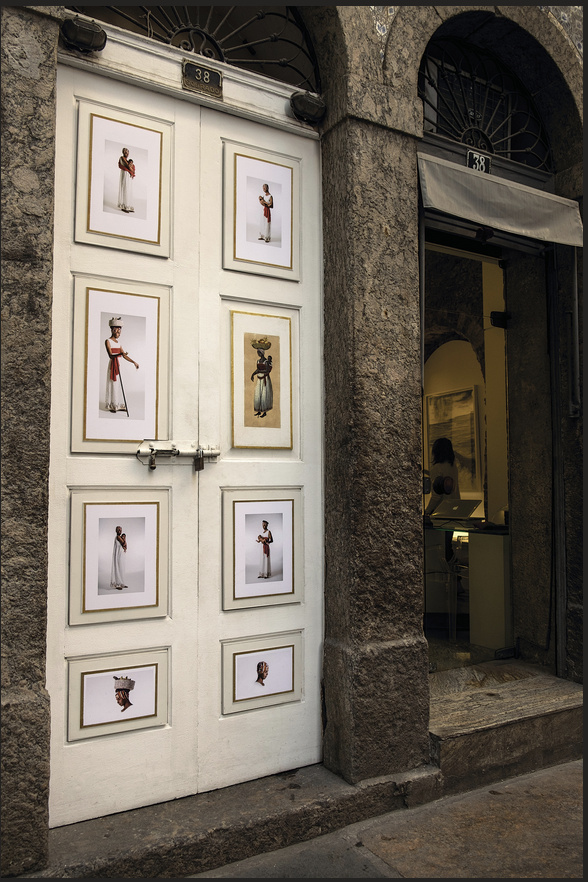
At this moment, we were invited to participate as an artist duo in a group show in a small gallery in Rio’s colonial downtown area turned upside down with construction work for the Olympics. On the front door of the gallery, we accidentally found a painting depicting a Black woman carrying her baby on her back, inspired by the style of early 19th-century colonial lithographs by European artists.7 We then initiated a discussion in the Facebook group around this image of a “mãe preta” (Eng. “Black mother”) to gather initial opinions about this type of visual representation of motherhood. After a flurry of comments and a round of private messages with Black members of the Facebook group, we decided to reenact the image using photography, one of our main mediums, with a non-binary Black model as the main character of the scene as a critique of a heteronormative white gaze on this type of colonial imagery (Fig. 1). This image became the linchpin to research the visual history of the representation of Black motherhood, which led to an invitation to expand this research in a slavery memorial located in Rio’s colonial center. Our starting point was to confront it with current political discourses and emancipatory feminist and intersectional politics as they were being discussed online and on the streets. At the same time, this work would entail digging into the erased histories of Rio’s colonial traces which the urban renewal projects for the Olympics accidentally unearthed from under the pavement (Löfgren, 2015).
The name “mãe preta” comes from the common term used to designate wet nurses of African descent who cared for the children of their white masters during slavery, a social phenomenon that is common in all former colonial societies in the Americas.8 According to an essay we commissioned from the Brazilian historian Lilia Moritz Schwarcz (2018), the wet nurses represented “the more ‘romantic’ side of slavery, as they were tasked with ‘offering’ the gift of milk to their white charge, and associated them with notions of kindness and abnegation as noble features of Black motherhood”. In her text, Schwarz problematizes this further, in line with Afro-Brazilian feminist Lélia Gonzalez’s (1984, 2021) ample theorization of this role in Brazilian culture and society. Gonzalez rejects the reading of the “mãe preta” as a white fantasy and her presumed assimilation into the white household through her mothering function. Instead, Gonzalez claims that the Black mother is simply “mother” (affectionately referred to as “bá”) who performs the breastfeeding, bathing, putting to bed and, more importantly, who teaches the child to speak by telling them stories. The white woman, in this case is “the other”, as she may bear the white child but does not perform any work. This led us to explore the visual and social history as well as the imaginary of Black motherhood in Brazil characterized by complex relationships of affection and resistance toward white slaveholder society as a de facto mother. We decided to keep this name even though it has problematic connotations as it has been naturalized by colonial society and is still being used today, and especially in a project authored by two Brazilian white women. But as we will see, this name also took on multiple meanings during the research process, embodying the deep memory and current use of the term in Afrodiasporic contexts, which sustains our artistic strategy of visual repair.
Later that year, we received a municipal arts grant to expand this research for a solo exhibition at Instituto de Memória e Pesquisa Pretos Novos (IPN) (New Africans Institute for Memory and Research), a slavery memorial site in Rio de Janeiro’s old port area. IPN is a small private family-run institution in Rio de Janeiro that guards the archaeological remains of a former slave cemetery called Cemitério Pretos Novos (New Africans Cemetery) from the late 18th and early 19th century, and discovered in the late 1990s. It is considered a rare and unique burial site, the largest of its kind in the Americas (Instituto de Memória e Pesquisa Pretos Novos, n.d.). IPN’s mission is to honor the thousands of captive African lives lost upon arrival from Transatlantic voyages and who were buried anonymously on the site (Medeiros da Silva Pereira, 2011, 2018).9 IPN houses a permanent exhibition with displays of archaeological remains and artifacts, a contemporary art gallery, and a small research library. The institute is modestly funded by the municipality, private donations, and educational programs, while temporary contemporary art exhibitions are funded on a project basis.
Given the site’s traumatic historical significance, we decided that our project would be dedicated to honor Black motherhood in the context of the memorialization of slavery in Brazil while reflecting on the subjective history of trauma and erasure in the archaeological site.10
Mapping the Site
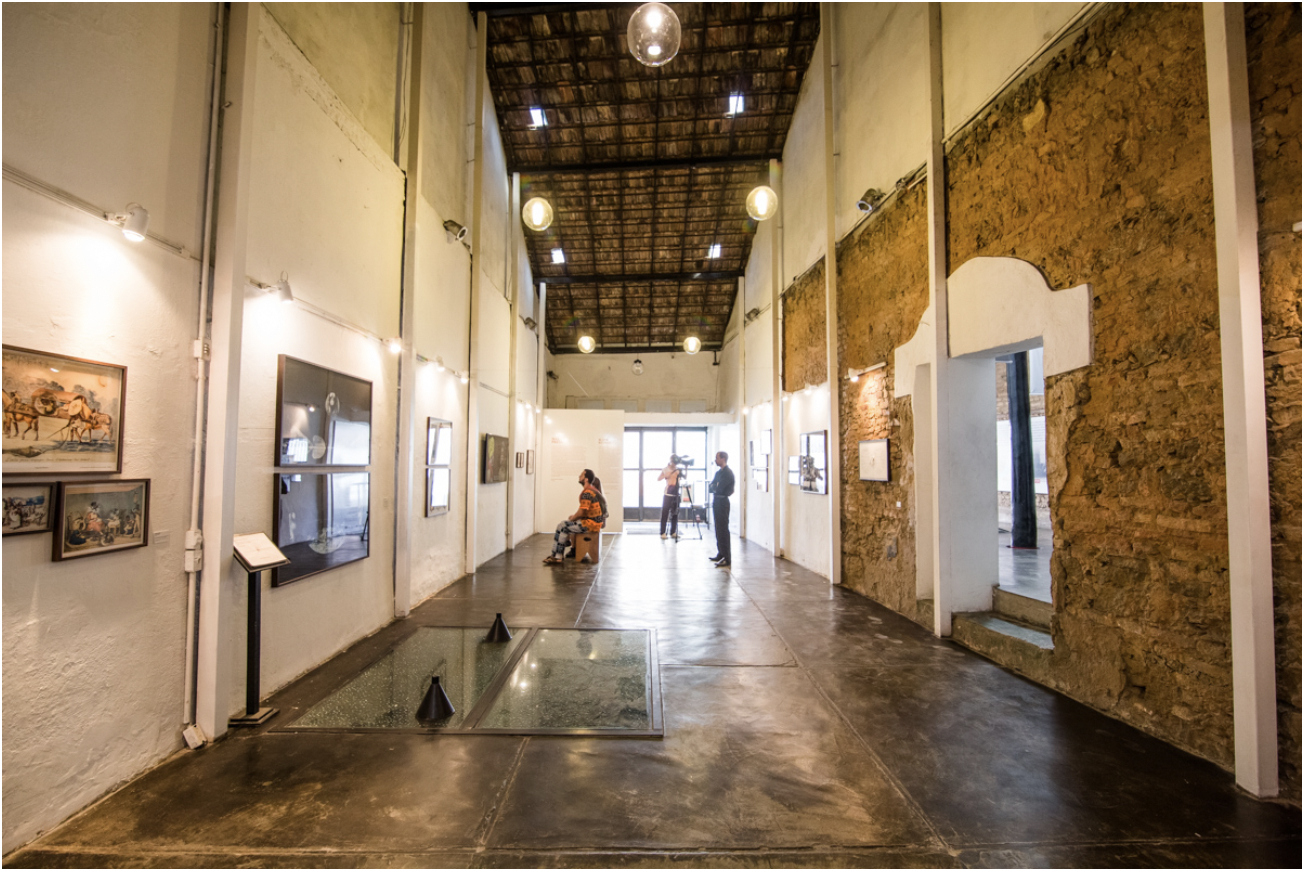
To understand the site’s significance (Fig. 2), it’s important to acknowledge that Rio de Janeiro’s urban history is closely connected to the memory of slavery, which is a relatively new phenomenon in Brazil.11 Following the abolition of slavery in the late 19th century, successive urban renewal projects largely erased the city’s former role as a major slave port. Yet during excavations for the Olympics, the remains of the Valongo Wharf complex, where one million African captives disembarked during the 18th and 19th centuries, were rediscovered (Löfgren, 2015). The city finally decided to embrace this legacy and created a cultural circuit that connected the Valongo Wharf to other landmarks of slavery and African cultural heritage in the area, including the New Africans Cemetery discovered more than a decade earlier (Unesco, n.d.).12
Accepting an invitation to do an art exhibition on a memorial site with such a painful and contested history was not an easy task. Before we set out to elaborate an artistic proposal, we needed to tread the ground sensibly. Given the sensitivity of the site’s historical importance and the turbulent political climate, we had to first address the ethical issues involved in such an undertaking. How would a temporary art exhibition affect an institution with limited resources? What justifies two white artists working on a site that holds such symbolic importance for Afro-diasporic memory? As we enter this space, what perspective do we bring and where do we fit in this conversation?
In the beginning, we were unsure if we should continue with the project unless we established a solid network of trust and support, and obtained legitimacy, both from the institution and from the Black community, to carry out the project. First, we built trust with the institution, who at first was very skeptical of our proposal because the exhibition budget given by the municipality, which was not excessive in comparison with similar exhibition projects, was nearly the same as their annual budget provided by them. To mitigate this gap, we agreed to dedicate a part of the budget to renovations and equipment which would later remain in the space. We also minimized dependency on their staff by hiring a producer, public relations, and pedagogues/guides to lead the public program. Secondly, there were different perspectives we had to contend with regarding institutional priorities. IPN believed that investing in visitor infrastructure would be more beneficial for their core business of maintaining the permanent exhibit, rather than allocating funds towards temporary art exhibitions that generated little direct income. Third, as a private family-run institution, we were their guests first and foremost, and at times considered intruders, even though we were there by invitation of IPN’s artistic director/curator. Many of our working processes had to adapt to their decision-making and existing cost management structures since they were managing the funding. Additionally, we required assistance from their staff, affiliated researchers, allies, and networks to ensure our legitimacy in that space. For instance, it was necessary for the curator to play a central role in validating the project within the institution and ensuring adequate working conditions, requiring compromises from all involved while preserving our artistic autonomy.
The next challenge was addressing the ethics of working with the site itself. We saw the gallery space not as a neutral space or “white cube” but more as a medium to propose another reading of the space. We also understood that this experience needed to emerge from a collective “place of speech” in which Black protagonism would be an essential part of the process. Therefore, we had to adopt a relational approach in our practice with many meetings and dialogue before we even started conceiving artworks, a process that took many months. Moreover, as white authors working with Black histories, this posed difficulties in finding adequate justification for the project’s theme. Besides gaining the trust of the staff, we needed to enter a sensible dialogue with key groups and individuals in Black communities. We turned to dialogue we had already initiated with Black activist mothers in the Facebook group a year before, some of whom agreed to engage with the project in its early stages and became our consultants during the research phase, some of them later co-creating different aspects and even participating in several exhibitions. Without their approbation and continued support, the project would have been impossible to conceive. Also, we sought spiritual permission to enter those sacred grounds in consultation with a Babalaô,13 a priest and a sage skilled in divination in the Ifá oracle14 who recommended ways of physically and spiritually entering the space respectfully to honor ancestrality, considering the importance of the site for Afro-Brazilian religions (Almeida, 2006, p. 93). At the end of this process, seeing that our approach seemed appropriate by several collaborators whose trust we could not do without, we felt sufficiently validated to continue. The exhibition, then, would be a medium through which the collective voice of the entire research process could speak and be listened to, as well as creating a space of engagement, mutuality and poetic activation.
Entering the Space of Deep Memory
Our working method began with historical research about the site by engaging with experts in fields of history, memory studies, critical race theory, and related fields. In dialogue with a Black historian affiliated with IPN who wrote the most comprehensive historical account of the New Africans Cemetery (Medeiros da Silva Pereira, 2011), we learned about the aspects of cultural violence in burial practices during its operations in the 18th and 19th centuries. Another historian and writer specializing in the comparative history of slavery in the Americas highlighted that those practices are historically equivalent to a holocaust, as practices of slavery are the result of genocidal politics across the colonial world. In a conversation, they both discussed that the legacies of violence from slavery can still be felt in the injustices against Afro-descendants in many spheres of contemporary Brazilian life. For Castro, our gaze needed to be looking at “a past which is also the present” (Castro, 2018). They also recommended that we to consider the notion of deep embodied memory (Culbertson, 1995).
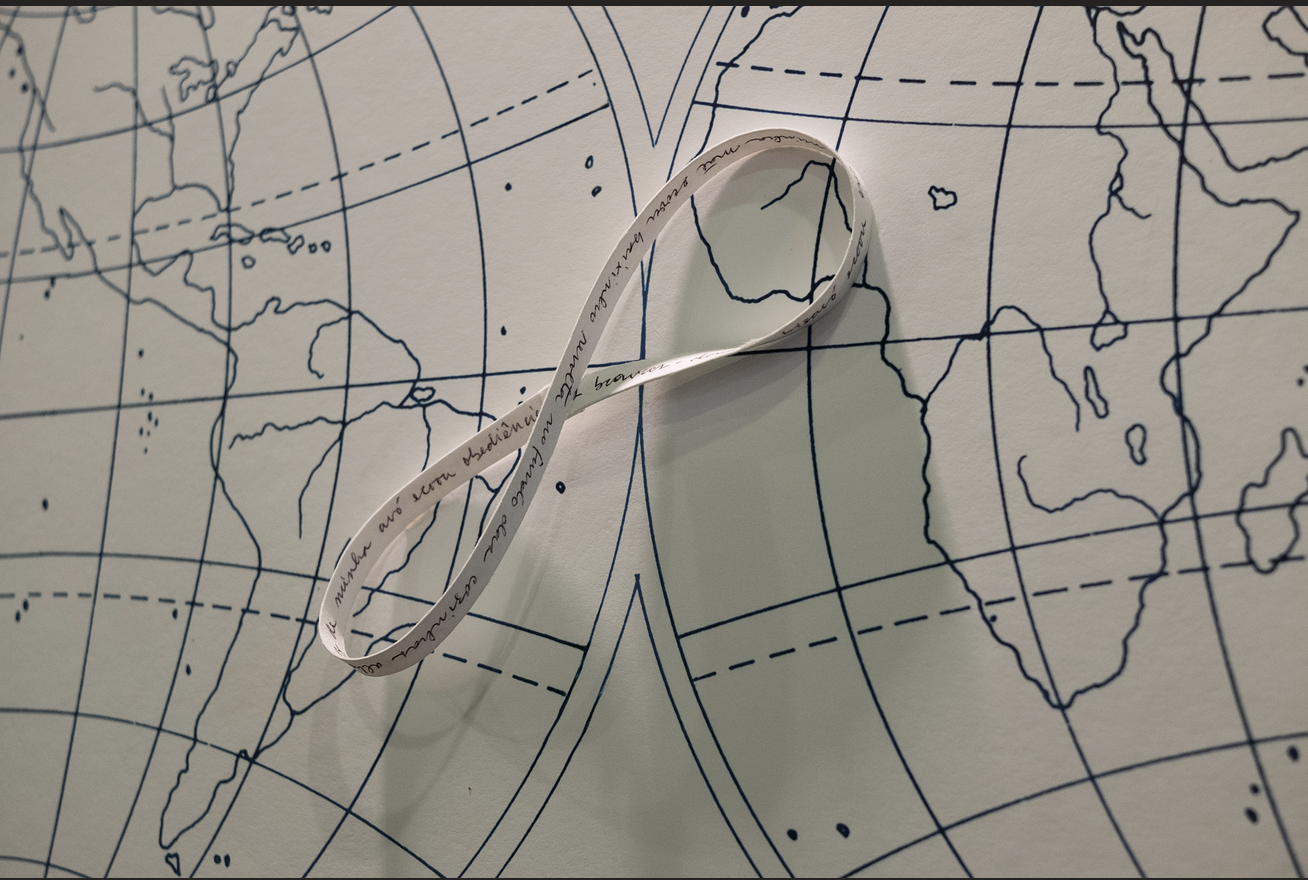
For Culbertson (1995), the body is the place of memory, the reference point of all violence and of the power relations it sustains (p. 172). It is sensory and positional, not chronological, yet it is traversed by the duration of trauma. To understand the complexity of the site’s pain body through the material traces in the site, we turned to architectural mapping to locate it within its urban setting and its observable and measurable material traces, both for historical comprehension and sensing the site as a medium for artistic intervention. We considered the site’s typology as an open graveyard and its institutional function as a sacred space, and its reality as a space of centuries-long trauma. Using topoanalysis, or, the symbolic cultural resonances of the space (Bachelard, 1964/1994), we also understood the embodied deep memory of the site to be closely related to a practice of ancestral recognition and repair. For this reason, the cemetery is today considered by the Afro-descendant population as a symbolic place of remembrance of African ancestry. The process of slavery made African roots and genealogy difficult if not impossible to trace due to forced separation, dispersal, and missing archival data of African captives upon arrival in Rio de Janeiro. Despite this, Black populations have preserved an African imagination in Brazilian culture by way of oral histories, cultural traditions, and religious expressions that have survived over the centuries through a process of syncretism (Fig. 3). Many of these expressions are considered synonymous with Brazilian culture more generally as they are manifest in musical traditions like samba – a musical style derived from drumming and dance traditions among Afro-Brazilian urban cultures – that coincidentally originated in an area not far from the memorial site.
More importantly, for many Afro-descendants, the cemetery offers an epistemological shift in the understanding that the people lying underneath were presumably born free in Africa, which serves as proof of an Afrodiasporic existence not solely determined by slavery. In Latin American Afro-diasporic cosmologies, ancestrality is understood as a transformational capacity that can be embodied in individuals through ritual practices, and as a field of relations across place and time that collapses past, present, and future, allowing the creation of other possible worlds and existences. It follows that a cosmological understanding of ancestral Black motherhood liberates it from necropolitical oppression by slaveholding and post-abolition societies and opens to a wide array of arcane creative, biological, spiritual, and cosmic powers that strengthen communities and society as a whole. In this sense, the name “mãe preta” becomes associated with empowerment rather than subservience, belonging rather than separation, and also giving a different meaning to the cycle of life and death.
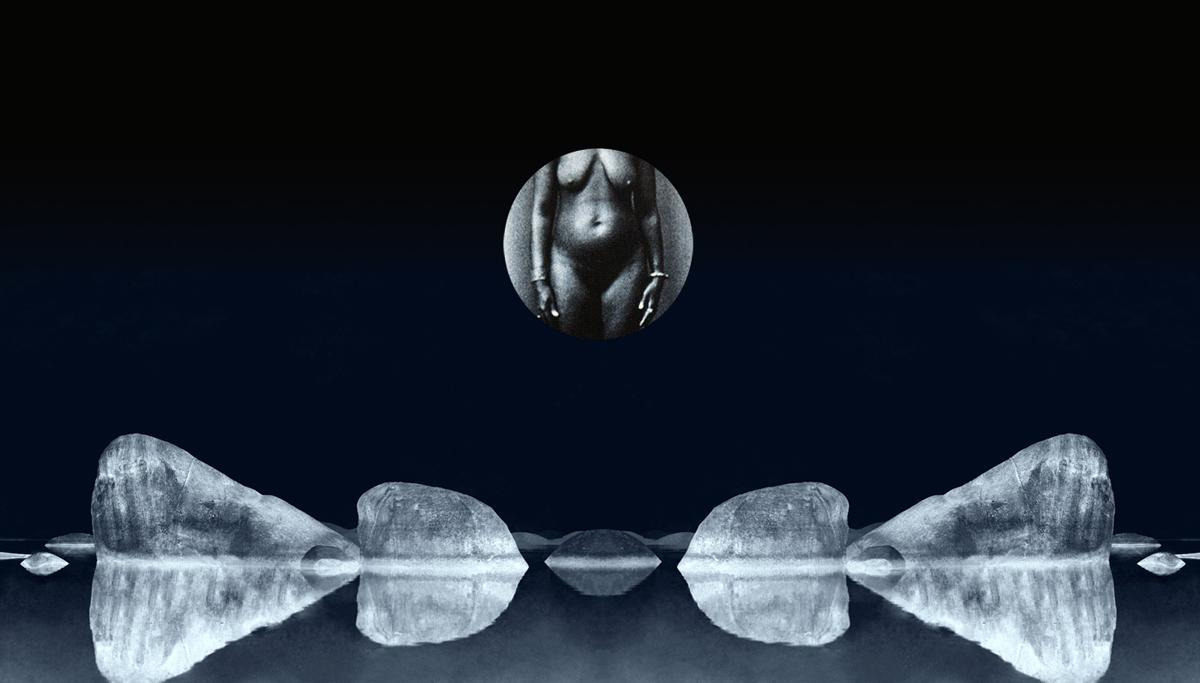
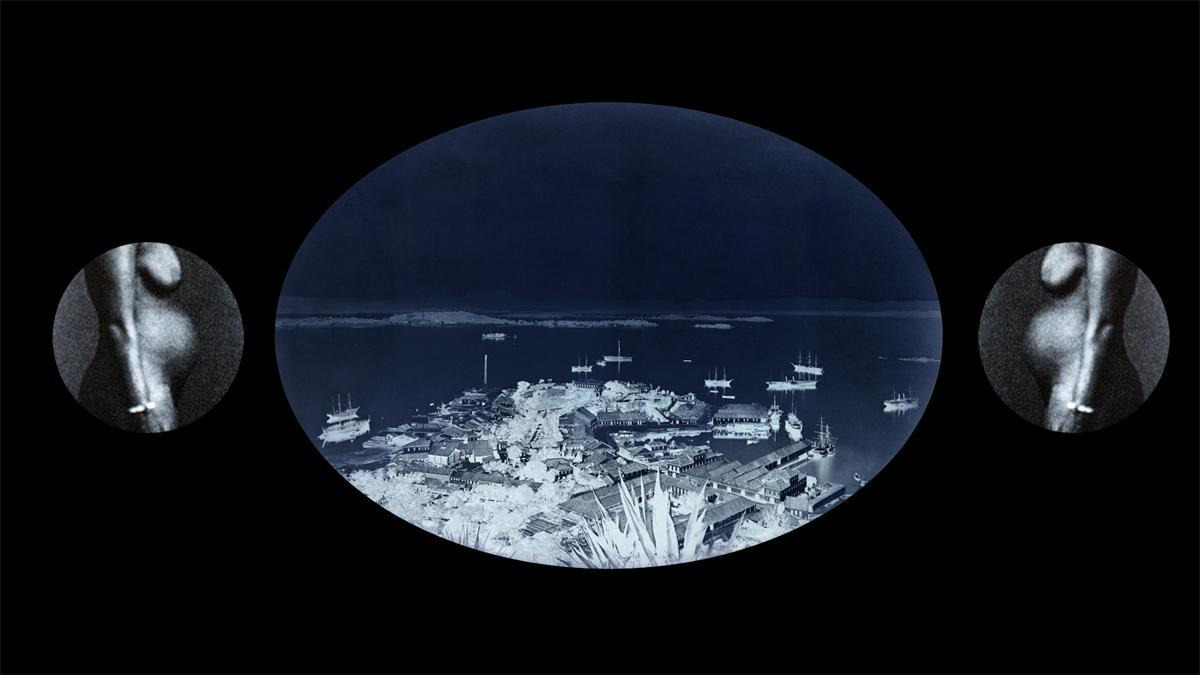
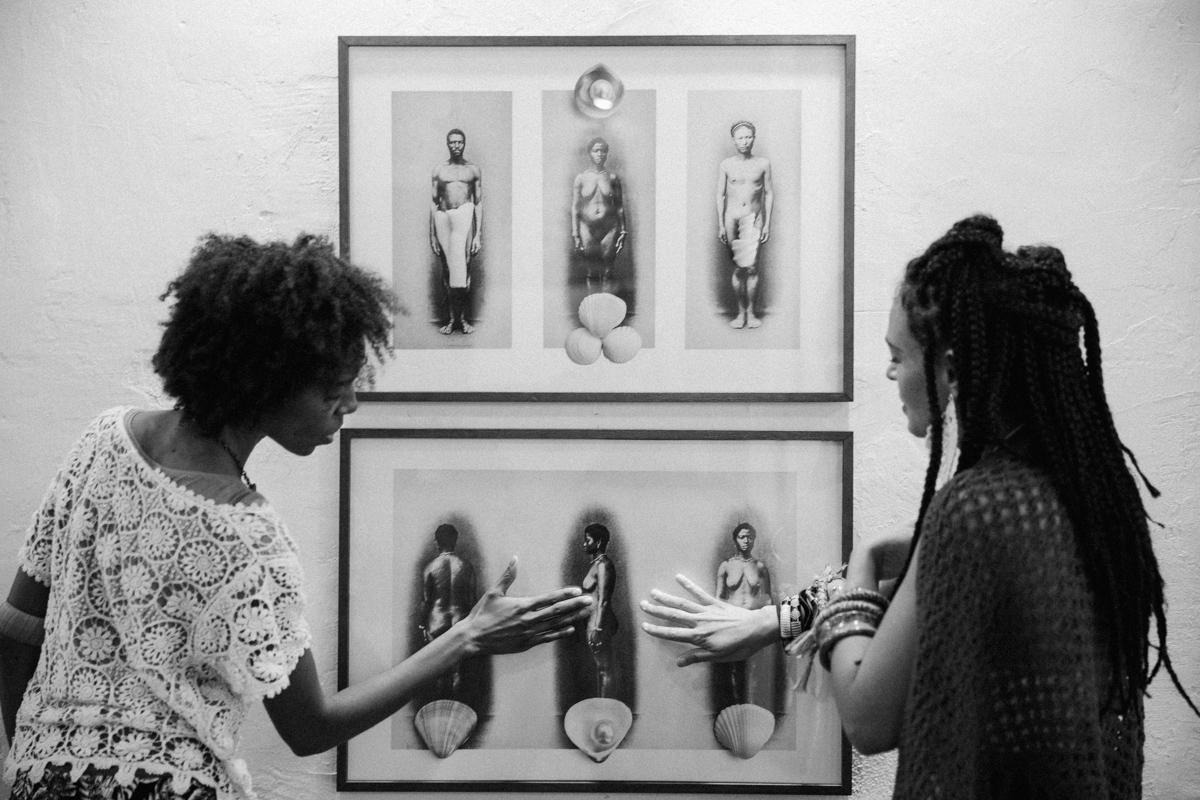
Furthermore, the proximity between the cemetery and the sea also speaks to a spiritual dimension connected to water as a key symbolic and material element. Old photographs and maps of the old port area indicate that the cemetery was once located very near the seashore, something which could indeed be felt from the humidity and salty air inside the gallery space. In some Afro-Brazilian religions like Umbanda, the sea is connected to the concept of the final resting place and known as the “Great Kalunga” (the dwelling place of ancestors in Bantu languages), while the “Small Kalunga” is the ground that receives the bodies and transforms them into seeds. The protector of the “Great Kalunga” is the orixá15 Iemanjá, who is the mother of all orixás and the protector of primordial waters, including both the sea and the amniotic fluid in which we are all born. This association of the ocean, motherhood, ancestrality, and the site led us to create a piece showing these ancestral connections through water, by connecting the South American and African continents with a verse about matrilineage written on a Möbius strip, to signify the notion of an eternal return (Fig. 3). We also translated the concepts of the Great Kalunga visually in a photomontage of archival photographs of a pregnant woman adorned with jewelry and the sea outside Rio’s slave harbor (Fig. 4, top), and of the Small Kalunga with the woman and her pregnant belly beside an oval archival photograph of the area where the cemetery is located (Fig. 4, bottom). Here, the relationship between content and form is crucial – circles, ovals and Möbius strips are used across all artworks to convey the notion of circularity, birth (and rebirth) and the eternal return which are as significant as the contents of the photographs themselves. These visual elements are present across all the artworks we produced.
Narratives for Memories to Speak Through
From there, we tried to understand how these forgotten and imagined histories can be remembered and embodied in the exhibition, in order to shed light on the very act of violent erasure of life itself, as well as the possibility of creating other worlds. We wondered, can the site speak? In what ways can the voices of those buried underneath become embodied in the space? We asked historian Júlio César Medeiros da Silva Pereira if he could find any data of women in the cemetery’s few remaining records. Indeed, he found a rare entry “Thereza’s daughter”, one of the few entries where individuals are designated by name.16 We asked him to contribute with a short essay for our catalogue as a way of making Thereza’s daughter speak through his words. In the text, the author points to the very act of writing as an act of actualizing the existence of this child who otherwise would have fallen into oblivion (Medeiros da Silva Pereira, 2018). Curiously enough, the entry refers to an individual but its phrasing refers to two people, both Thereza, the mother, and her little daughter. But how could both Thereza’s and her daughter’s voice be heard as deep embodied memory in the space itself?
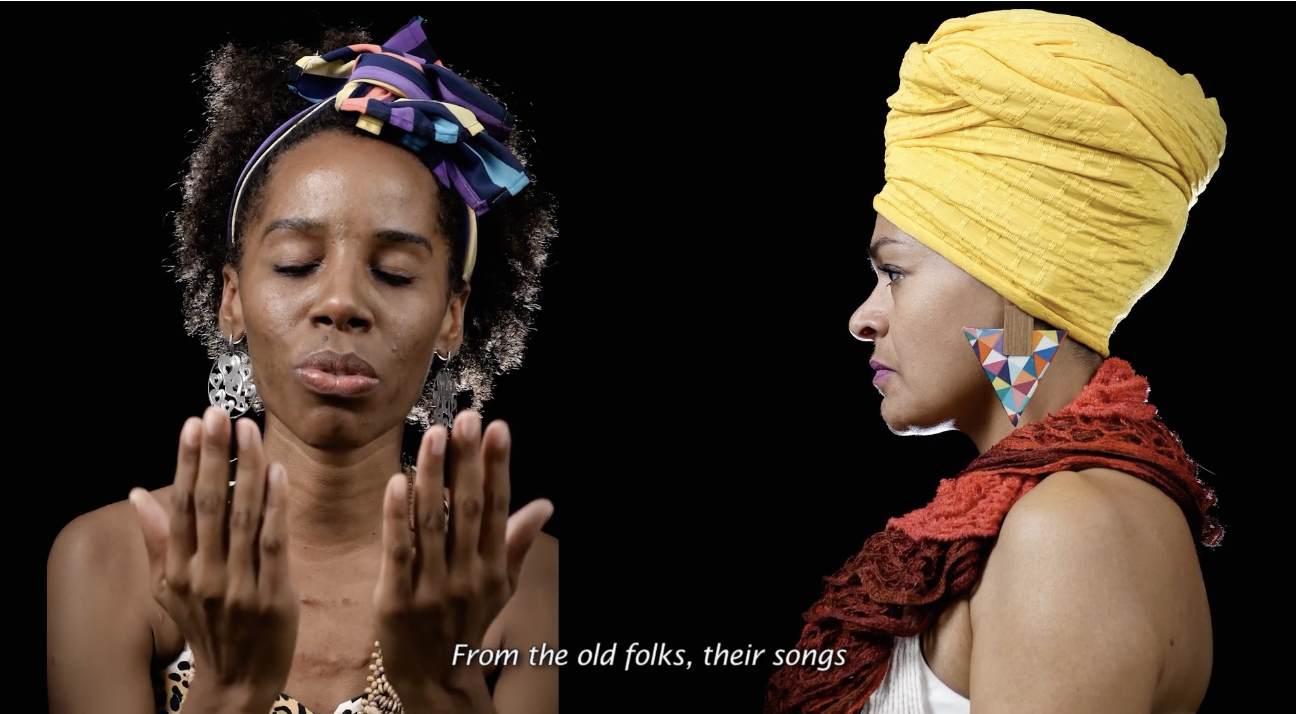
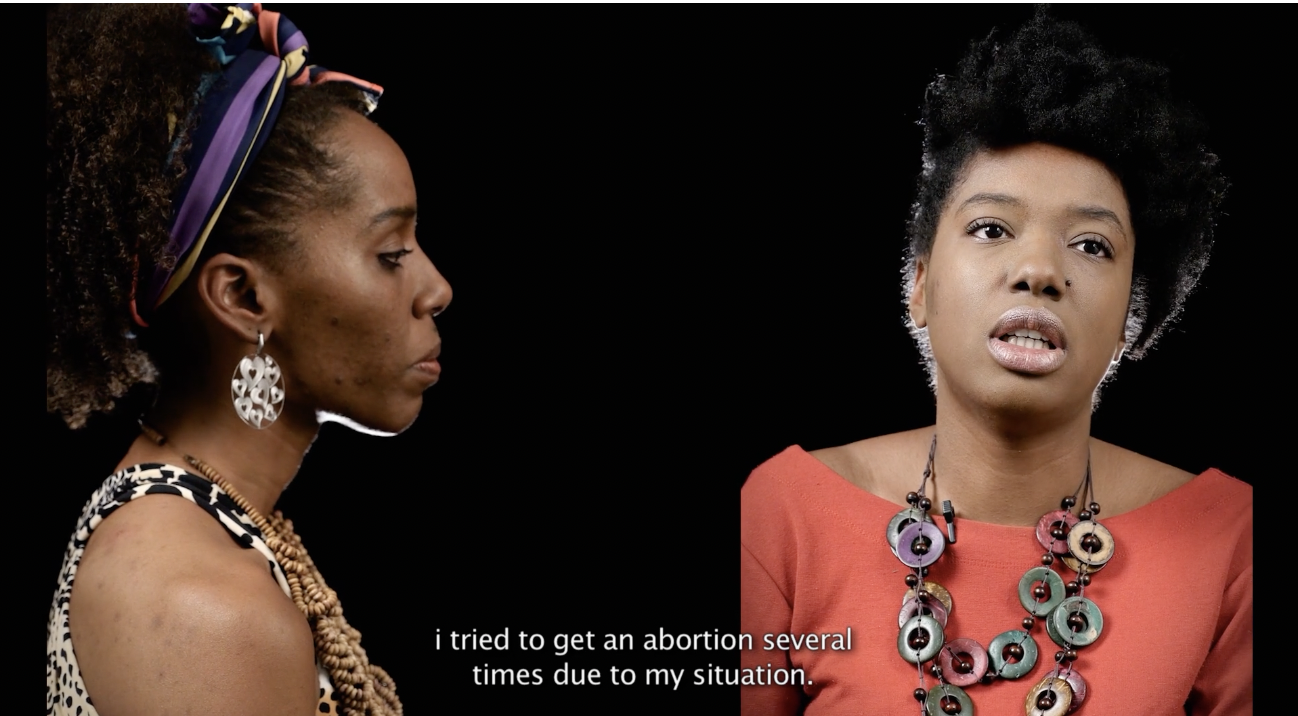
In our continuous exchanges with the Black activist mothers from the Facebook group, we understood the importance of telling birth stories and the violence of their experiences, but also how these become embodied in the notion of ancestral motherhood. In our meetings and exchanges, sometimes songs were performed to illustrate certain parts of their stories, which are part of vocal cultures that equally embody ancestral knowledge into the present (See Fig. 5). While many experiences of trauma may be unspeakable, as Culbertson (1995) argues, whenever narrating experiences is possible it becomes a way to reintegrate the survivor into a social world and its shared forms of meaning – especially the act of being listened to and believed. In that way, we thought they too could embody the voice of Thereza and her daughter in the exhibition.
We proposed to create a video artwork of Black mothers telling their accounts of motherhood in a format where each would take turns listening and speaking to each other on screen. The 27-minute video piece titled “Ways of Speaking and Listening” was a generational piece where seven mothers of various ages, backgrounds, and professions took turns responding to questions like “What does it mean to be a Black mother today?” and “Who listens when a Black woman cries?” – inspired by the writings of Conceição Evaristo, bell hooks and Audre Lorde, among others. Their testimonials ranged from birth stories, to memories of their mothers and grandmothers, mental health, abortion, religion, and a great deal of singing, including lullabies, jongo chants, songs about empowerment, claiming blackness in politics, and much more.17
In the exhibition space, the video played continuously, and the voices of the seven mothers echoed in the room, filling the entire space so that their stories could be heard as visitors experienced all the other artworks. This way, we broke with the normative silence in art exhibitions that confines sound to individualized experiences in headphones and turned this collective research process into an act of collective listening.
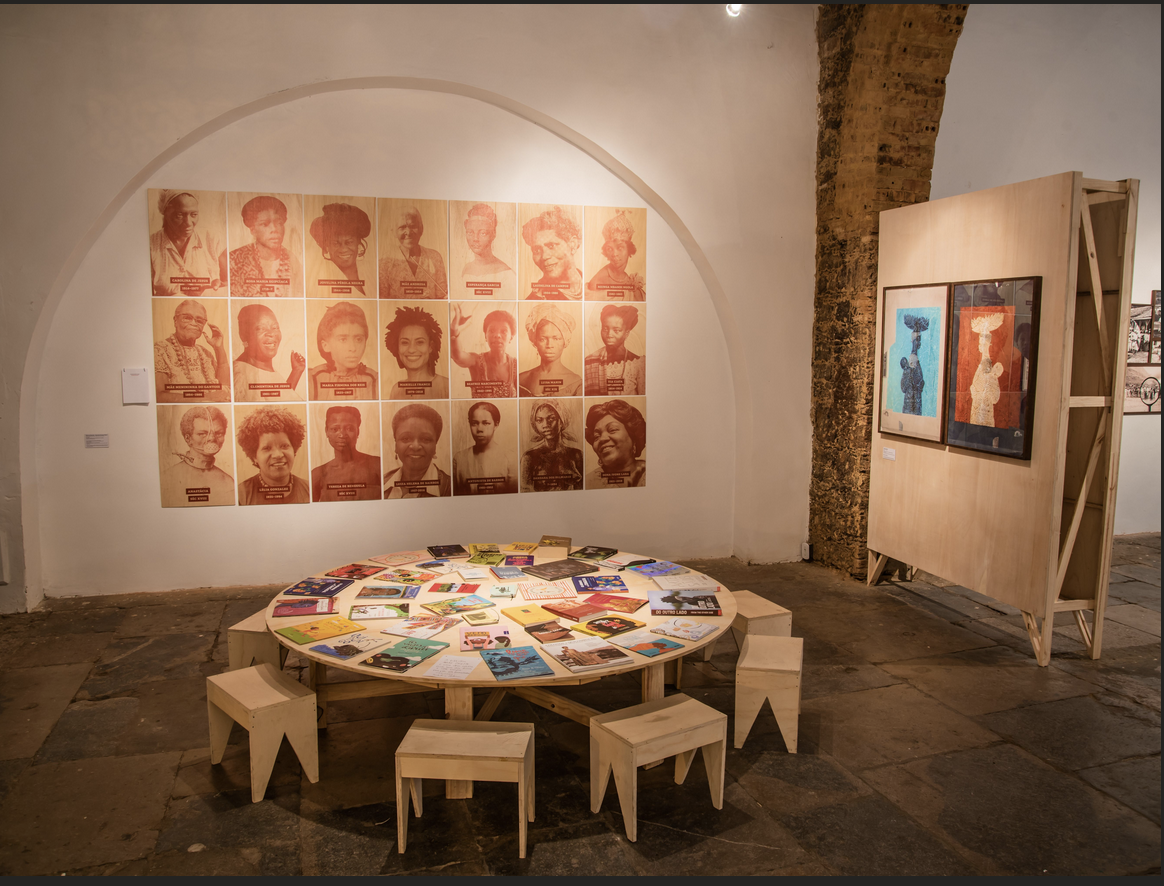
Another way of making forgotten Black women’s voices “speak” in the space was by by creating effigies of significant Black foremothers in Brazilian history, who are otherwise rarely mentioned in official historiography. Inspired by young Black author and poet Jarid Arraes’ series of cordéis (a genre of Brazilian folkloric pulp fiction-style poetry) with biographies of Black heroines (Arraes, n.d.), we created a portrait gallery of politicians, priestesses, queens, maroon leaders, scholars, feminists (such as Lélia Gonzalez and Beatriz Nascimento), composers, singers, and writers from the 16th to the 21st centuries sometimes remembered only in popular imagination. It was first installed in IPN’s research library, alluding to the tradition of portrait galleries in e.g., national libraries where patrons and literary figures are celebrated on its walls (Fig. 6). That way, the exhibition tended to the aspect of memorialization in line with IPN’s mission. Short biographies were also available for visitors to take home, and thus the exhibition acquired a pedagogical function that fosters learning and the circulation of this knowledge into society.
Repairing the gaze
The gesture of visual repair is most concrete in our interventions in archival images, which, following Hartman (2019) illustrates how visual culture can operate as a mode of historical repair. Not as a way to fix the image but as a way to shift the gaze in order to reveal the hidden protagonism of Black motherhood in Brazilian visual history. As can be seen in several artworks, a significant part of our exhibition includes extensive archival research in photography and media archives from the 19th and early 20th centuries, which reflects our scholarly interest in the social history of photography and the politics of visual representation. We discovered that one of the paradoxes of the memorialization of slavery is that while many of the physical landmarks from the times of slavery have been erased or buried away, Brazil has the one of the most extensive visual archives of slavery in the world (Wood, 2013). After spending a long time immersed in visual archives looking at thousands of images, we realized that the erasure of the memory of slavery is not due to a lack of visual memory. Many of these images, such as engravings by Jean-Baptiste Debret (Fig. 8), still circulate widely in Brazilian visual culture and are well known by the public. As such, they can be considered as “images of control” which are part of a white imaginary that has become synonymous with a historiography that casts a hegemonic gaze on Black bodies and subjectivities in the Brazilian collective subconscious (Vaz and Carvalhaes, 2023). What exists instead is a white gaze that has normalized the viewing, reproduction, and appropriation of these images, obscuring a critical view of such representations. We see this process of purposeful forgetfulness by way of overexposure as a kind of mystification, which in John Berger’s (1972) words is “the process of explaining away what might otherwise be evident”. Also, the image of Brazil, despite the variety of cultures and backgrounds that compose a multiracial society, is deeply rooted in Western modes of representation inherited from a colonial past that often marginalizes other forms of expression as folklore or as objects of anthropologic inquiry.
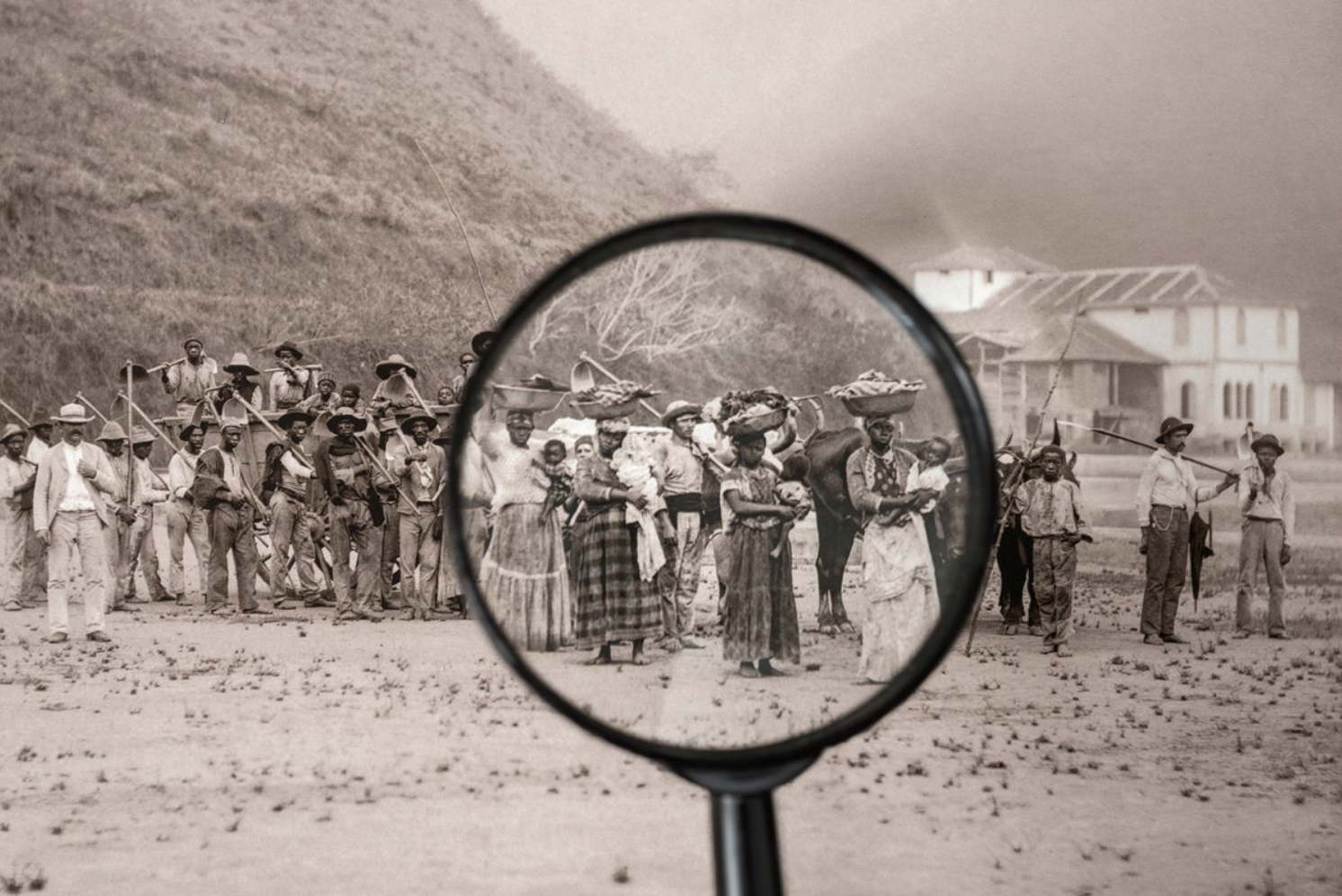
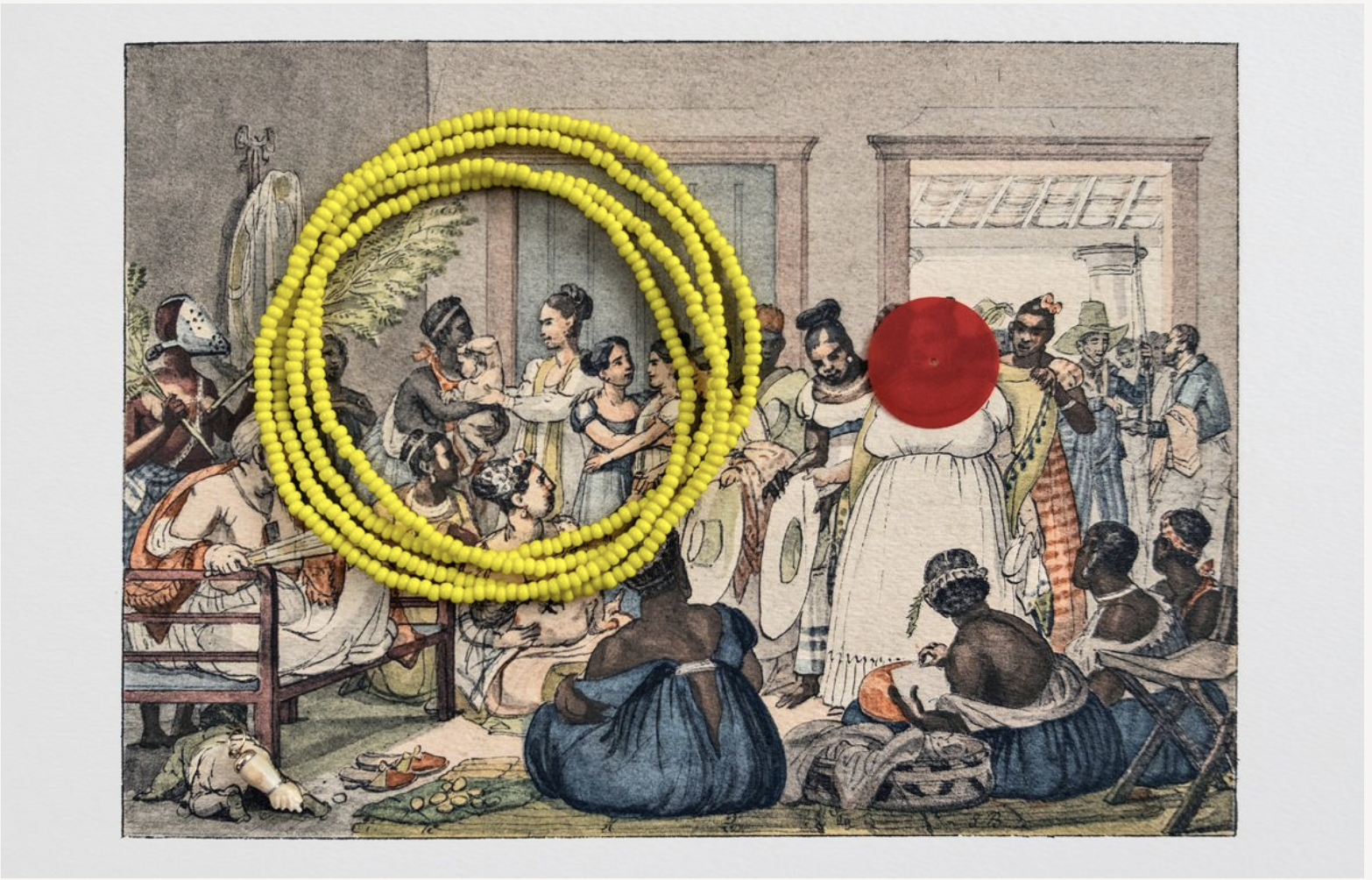
By challenging the visual politics of slavery, we proposed other ways of looking at familiar images of wet nurses and mothers in slavery archives, which included weaning our own white gaze in a reflexive visual gesture. Inspired by the notion of “ways of seeing” from visual culture and crucial race studies (Berger, 1972; Mirzoeff, 2011; hooks, 1992/2014), we decided to re-signify several well-known archival images from the 19th century by famous painters and photographers through photomontage and visual interferences to create estrangement within the familiar. We mimicked the researcher’s gaze by using magnifying glasses to highlight parts of the images to make the protagonism of Black mothers more prominent, aiming to lead the viewer to look at these images in a different light (Fig. 7). We also used ritual objects from Afro-Brazilian traditions such as beaded necklaces that are color-coded according to different orixás, such as yellow for Oxum, the goddess of motherhood, as a way to bestow a sacred dimension to the mother figures, while other elements are meant to redact elements and hide them from view (see Fig. 8).
Activating Collaborations
So far we have shown our direct aesthetic interventions in IPN’s exhibition space, and walked you through the major visual artworks connecting the deep memory of ancestrality by intervening in archives, voicing contemporary Black mothers’ voices, and creating a spatial dialogue with the slavery memorial site. Mãe Preta, however, was not conceived as a static exhibition for art contemplation alone. Equally important is the protagonism of Black women and mothers through a range of collaborations, public programs, educational initiatives and alliances that far exceeded the exhibitions themselves. At IPN, Jessica Castro and Glauce Pimenta Rosa, two artist–mothers we interviewed in Ways of Speaking and Listening (2016) opened the exhibition with a performance in the space, filling it with jongo,18 an artform mixing dance and spoken word with ancestral diasporic lineage (Fig. 9). We organized an artist talk where three of the seven mothers in our video held the floor to an audience that included the politician Marielle Franco, then soon to be elected to Rio’s city council, and became an important ally in the project. Unfortunately, she was tragically murdered two years later, and we honored her memory by placing her effigy at the center of the “Black Heroines” mural (see Fig. 6).
At IPN we also inaugurated a working mode for activating the other five exhibitions that followed in different cities in Brazil, from 2017 to 2021, thus activating the deep memory of slavery and Black motherhood in different ways in each site. We added new artworks to the core exhibition created for IPN connected to new local contexts of memorialization of slavery and Black motherhood to expand the research. Grants made it possible for Mãe Preta to travel and hire a producer to articulate the interventions with different curators or directors in each new space, from public art galleries to independent spaces. We were also able to select staff and technicians and pay our collaborators adequately. To make this happen according to the ethos of the project, we hired women and mothers to a large extent in every capacity, with an egalitarian stance regarding our budget. To avoid the issues we faced at IPN, we decided that everyone in the project (except for the producer, who worked longer and carried more responsibility in the project) earned the same fee, including ourselves, to avoid any dissensus caused by privilege and position. We also continued with the same strategy at IPN to hire young Black academics to be the guardians of the exhibition, and in São Paulo we created an internship program for young Black art historians to create the public programming and lead the educational workshops. This created a dynamic of solidarity in the team, and Black women’s protagonism became structural in the project. Each exhibition also brought new collaborators who directed our gaze to different aspects to the deep memory of motherhood and slavery in different sites, becoming co-creators in the exhibition, and also forming alliances beyond the project.
In São Paulo in 2018, which opened at the wake of the Bolsonaro election, Jessica and Glauce created a new opening performance for the exhibition, and we handed over the public and educational program to four young Black art history university students hired as paid interns, who laid out all the activities for four months without our interference. On the one hand, it was a practical decision since we were both living in different cities and therefore unable to relocate with our young children and our jobs. But more importantly, since we were not in the space, there was also more room for interpretation and mediation of Black history through Black voices. We were present, however, for the opening and for an artist talk immediately following the opening days before the presidential election that would elect Jair Bolsonaro, and the overall mood was tense.
On opening night, we gave a TV interview together with Jessica and Glauce during opening night where they articulated their position as our allies but highlighted the importance of showing the hsitory of Black motherhood both poetically and pedagogically in the exhibition. We fielded more controversial questions such as what we thought about racism in Brazil, meant to catch us off guard. We responded that racism is not for Black people to resolve; it is for white people to reckon with the devastation of the white gaze and act upon it. Our attempt to problematize this is most visible in the archival works (Fig. 8), and knowing that the issue may never be fully resolved, as Hartman’s (2019) paradox suggests. During a four-hour artist talk the following day, we entered in contentious discussions with a small audience, where some participants mistook us for curators instead of artists (presumably for being white), and where long discussions on project funding ensued (why us and not Black artists?). We see that ten years later this questioning has resulted in the high visibility of Black, as well as Indigenous, artists in the Brazilian art world and an increasing number of Black and Indigenous scholars in universities and art schools.
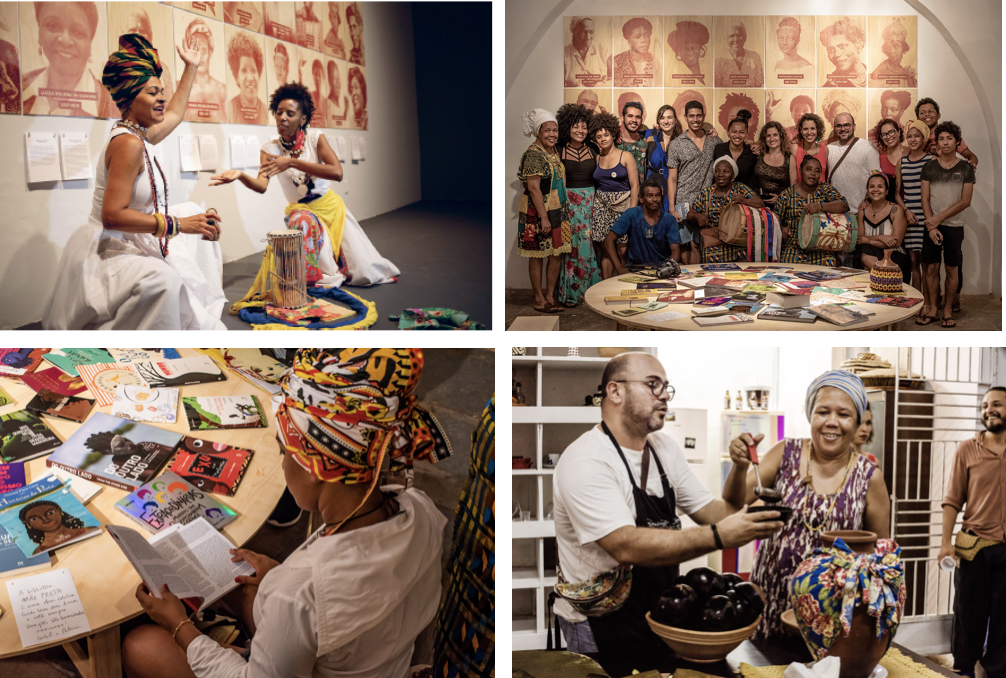
In São Luís do Maranhão later the same year, we entered an entirely new space of the memory of slavery through a collaboration with a matriarchal maroon community (quilombo) nestled in a contested territory between the community and mining companies at the edge of the Amazon forest. We met matriarchs Dona Anacleta and Dona Dalva from Quilombo Santa Rosa dos Pretos by way of an academic partner who was an expert in encantaria,19 (Ahlert, 2018). In the 1980s, Beatriz Nascimento (2023) theorized the historical continuity of the quilombo drawing on ethnography, oral history, participant observation and archival research, and tracing its origins through migrations, cultural and religious practices, interracial marriages and conflicts over land, all of which speak to the conditions of Black life in the quilombo. However, this space of Black autonomous territorialities carries different meanings depending on who is looking: for the slaveholder, it was a hideout for fugitives; for the quilombolas, it was freedom won. Thus, the quilombola is a body in movement, traversed by the memory of multiple migrations and also a symbol for freedom. Nascimento, also a poet, described it as “the geographical space where [wo]man feels [her]himself ocean” (Gerber, 1989). Here, the memory of crossing the Atlantic (See Fig. 4) finds itself embedded in religious and cultural practices which Dona Dalva and Dona Anacleta express with their tambor de mina drumming, which we captured for a video piece “Ways of Enchanting”, as well as in the resistance against extractivist companies in their territory, today located far inland away from the sea.
In our ten-day stay in the quilombo, we were introduced to a lesser-known aspect of quilombola life through the network of “enchanted midwives” whom we were allowed to photograph for the project. In the quilombo, the notion of Black motherhood, or gender more generally, is not individualized or institutionalized as in the city. Instead, motherhood is seen in an expanded, communal sense that extends to all guardians of the community (having borne children or not), and is also embodied in midwifery, where midwives can also be men. The series “Ways of Enchanting” thus includes political leaders, including the young leader Zica Pires, as well as actual midwives and priestesses in the community. Dona Dalva, Dona Anacleta (now deceased), together with her daughter Zica were invited to open our exhibition with a ritual and roda de conversa (“conversation round”) to discuss the exhibition and their struggles with an urban audience in São Luís (Fig. 10), a city that still stigmatizes quilombolas in society. After the exhibition ended, we donated all the exhibition equipment to the independent art space where we were showing, and the Mãe Preta Library (See Fig. 4) was handed over to Zica for the community library and art space she was building at the time. The library formed the seed of a community art school led by her, who has become an internationally accomplished artist (Haus der Kulturen der Welt, n.d.).
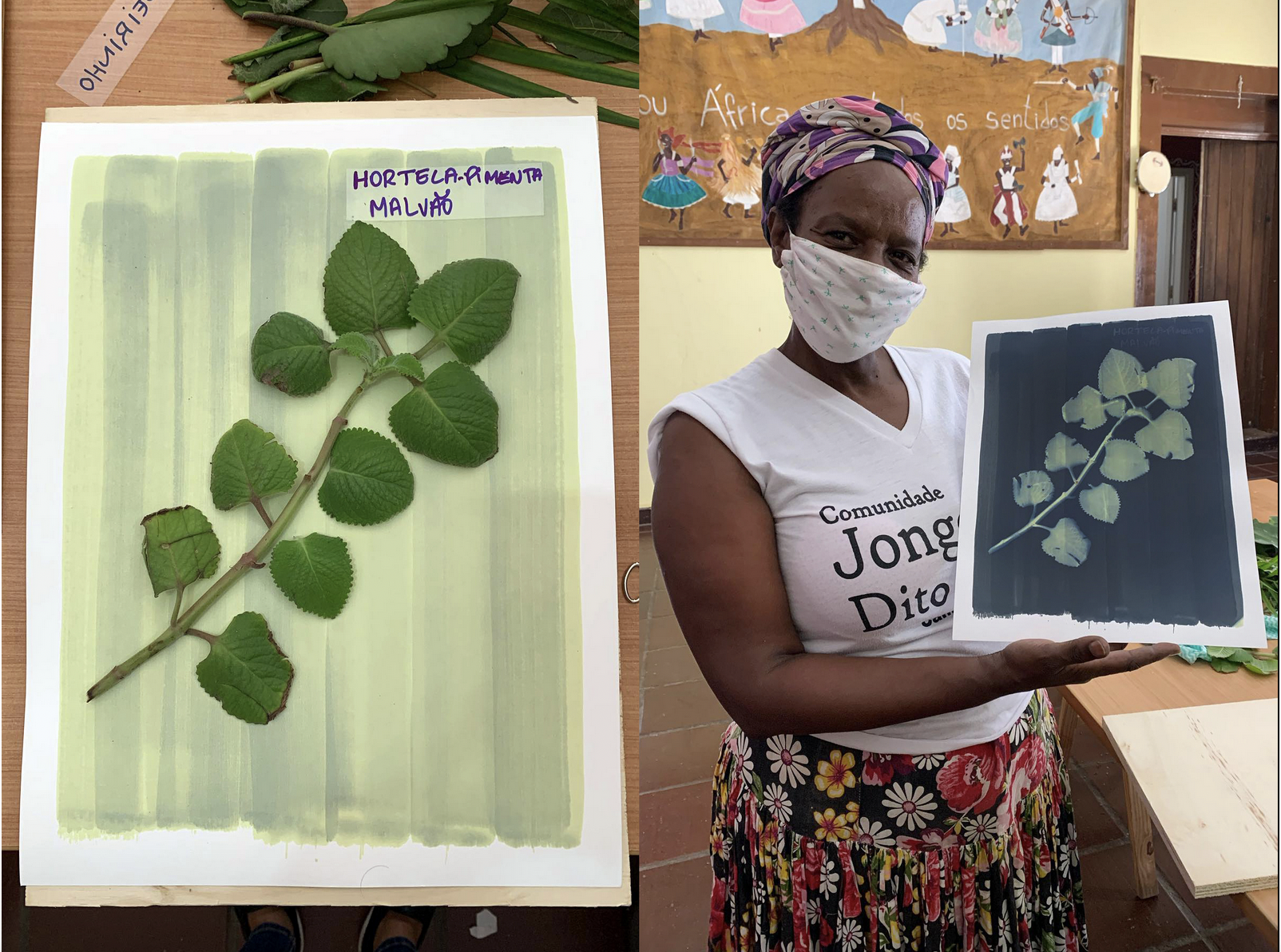
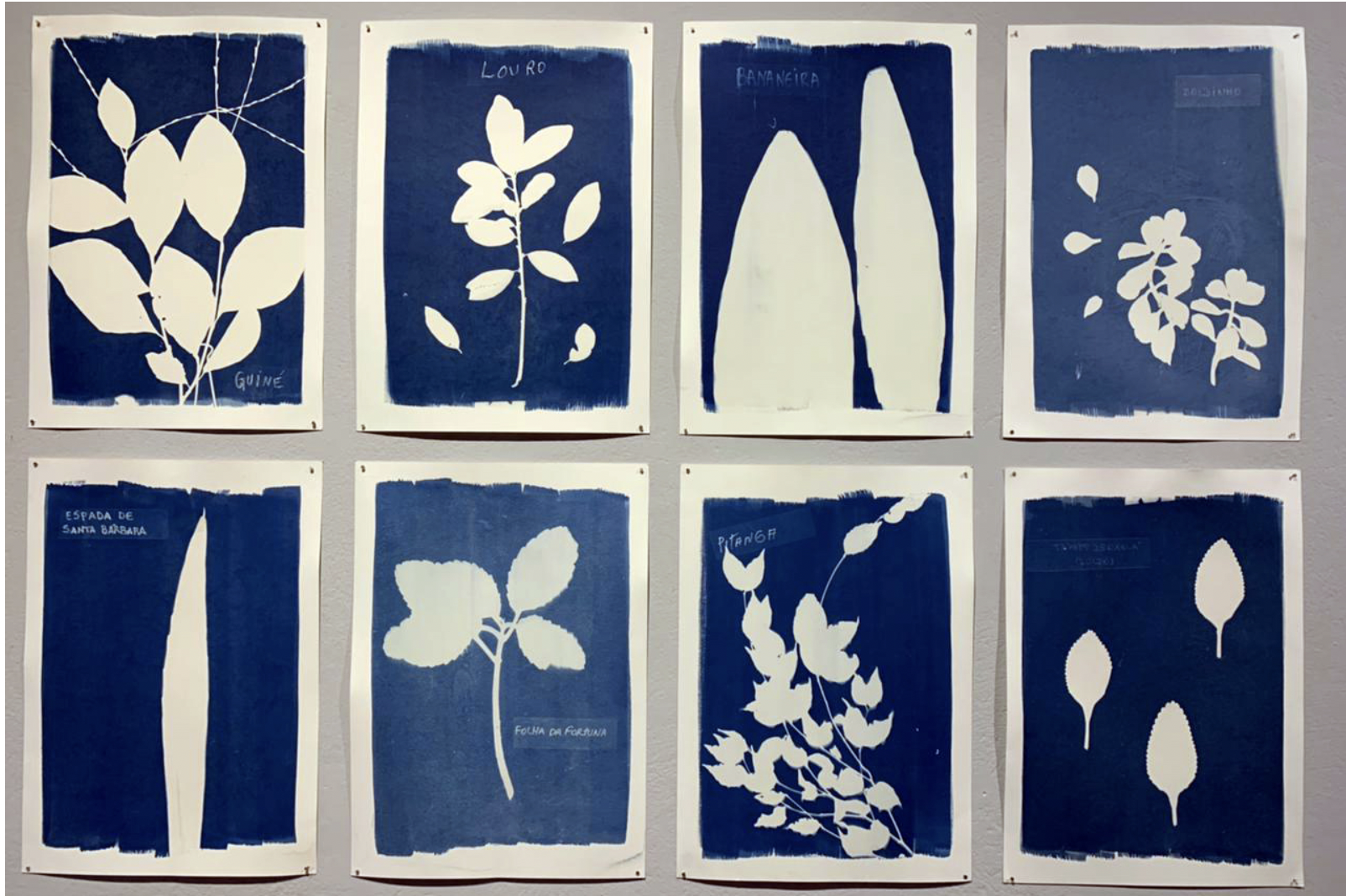
In 2021, Brazil was mired in the COVID-19 public health crisis that reaped hundreds of thousands of lives unequally, and Bolsonaro’s extreme-right government was clamping down on Afro-Brazilian cultural heritage and religious expressions. In Campinas, the last Brazilian city to abolish slavery, we explored old photographic methods like cyanotypes together with a local Afro-Brazilian group to document their community’s ancestral knowledge of medicinal plants as a form of political resistance. This herbarium consisted of plants gathered on the old coffee plantation site of Fazenda Roseira, where the group met. Our collaborator Alessandra Ribeiro – a Black urbanist, politician and Yalorixá20 – had traced back the plants to African seeds brought over by enslaved populations to the hinterlands of Brazil’s “coffee belt” (Fig. 11). While making the collective artwork in the cyanotype workshop, Alessandra recounted how Fazenda Roseira struggles to remain a safe space for Afro-diasporic culture while constantly threatened by eviction from local authorities, sometimes violently. This co-created a collective piece called “Ways of Healing” was inaugurated at the exhibition with a ritual led by Alessandra, and an exhibition text inspired by the “Black Heroines” mural:
“This social affliction, which well into the twenty-first century has been deepened by a pandemic that has taken thousands of lives, is one we, the women of the Casa de Cultura Fazenda Roseira and the Jongo Dito Ribeiro Community, most of us Black, still confront every day in the form of this society’s intolerance, discrimination and persecution. It is this that compels us to (re)exist, to overcome the pain and losses we have suffered. Yet we keep the faith, and like our Black heroines, we believe that only love heals, overcomes and brings balance to the world.”
– Alessandra Ribeiro (2021), Authors’ translation.
Final Thoughts
This entire process is traversed by a reflexive movement of motherhood as a situated experience, as a territory, and as a materiality that transcends individual bodies and dives into deep memory accessible through poetic and pedagogic forms. Although our process has resulted in a working methodology that we have improved through trial and error, it is important to highlight that it is flexible and open-ended, with the ability to be discarded or reconfigured. After a decade of work, we keep producing new artworks and Mãe Preta keeps resurfacing in new contexts, such as in this text, which expands the possibilities for reflection about memory and motherhood in research-based art practices where research itself can be considered as an embodied poetic form. To recall the gesture of the eternal return with the möbius strip (See Fig. 3), the entire exhibition with more than 80 artworks was donated to MAR – Museu de Arte do Rio’s [Rio Art Museum] permanent collection in 2022. MAR is located in front of the Valongo Wharf, near the memorial site where this journey began. This way, the artworks we created have symbolically returned to their ancestral home.
After several iterations, through this collective artistic journey we were able to develop an artistic approach sensitive to the deep memory of historical sites with a strategy of care and respect (Leenhardt, 2023, p. 119) and attempts at visual repair, beginning with attentiveness to the collective trauma of motherhood in Brazil, which can be experienced through our visual interventions in slavery archives, voice testimonials in video installations, many works became increasingly co-created with Black communities and embodied across multiple sites in Brazil – from urban slavery memorials to quilombos at the edge of the Amazon forest. This process can be summarized in parallel layers that together constitute a synthesis of our artistic research process: entering the memory space of the site, repairing the gaze archives, finding narratives to speak through, and activating collaborations, by, with and through mothers belonging to a Brazilian cultural matrix that amalgamates profoundly unequal legacies and experiences. While treading this ground sensibly, we hope to have shown how we extracted poetic resonance from the research process in each of these layers, and how these revealed new forms of embodied knowledge and translating the concept of deep memory into poetic form. This process can be considered a form of “embodied” research along the lines outlined by Spatz (2017) in which the researcher considers the process (the “how”) a vehicle for experimentation, empowerment and self-transformation, and the transformation of others and their communities considering all the frictions and joys of discovering motherhood in its multiple cultural manifestations underpinned by an ethos of maternal justice. Moreover, this iterative artistic methodology can also generate ruptures, displacements, and critical developments, often transforming the cultural institutions and communities we collaborate with such as IPN and Zica Pires’ quilombola art library in Maranhão.
As Walmeri Ribeiro’s (2021) concept of “porous bodies” inspires us, the “porosity” occurred in three dimensions. First, by embodying knowledge acquired throughout the research process and transforming it into poetic experiences and translating them into a common artistic language as artist-mothers in collaboration with Black mothers. Second, the embodiment of research and the artistic process in developing our vision, shared with the public through artistic, performative and educational activations, and resulting in a greater understanding of what it means to remember open wounds in history regarding the deep memory of slavery and maternal justice – a movement that started in a digital space on Facebook among mother-activists that led us to travel across the vastness of Brazil. It shows how research-based artistic processes can also be intertwined with personal, social and political engagement towards revealing historical erasures through “visual repair” while acknowledging the insufficiency of this gesture. As Hartman (2019) reminds us, it is nonetheless necessary and worthwhile. Third, in contributing to a larger movement of research-based artistic practices in Brazilian contemporary art that Leenhardt (2023) calls the production of dialectical images in a “collective action of rupture” (p. 121), where our work has been seen as part of a larger political and cultural movement that critically addresses the visual history of coloniality and its legacies in contemporary Brazilian culture.
References
Ahlert, M. (2018). Encantaria. In: I. Löfgren & P. Goùvea (Eds.), Mãe Preta | Black Mother (pp. 61–64). Frida Produções Culturais.
Almeida, M. I. C. (2006). Cultura Iorubá: Costumes e tradições (Coleção Questão Virtual, No. 1). Dialogarts.
Arraes, J. (n.d.). Cordéis. https://jaridarraes.com/cordeis/
Bachelard, G. (1994). The poetics of space. Beacon Press. (Original work published 1964)
Berger, J. (1972). Ways of seeing. https://www.ways-of-seeing.com
Bishop, C. (2023, April). Information overload: Claire Bishop on the superabundance of research-based art. Artforum. https://www.artforum.com/features/claire-bishop-on-the-superabundance-of-research-based-art-252571/
Castro, A. (2018). The past is the present. In I. Löfgren & P. Goùvea (Eds.), Mãe Preta | Black Mother (pp. 31–33). Frida Produções Culturais.
Culbertson, R. (1995). Embodied memory, transcendence, and telling: Recounting trauma, re-establishing the self. New Literary History, 26(1), 169–195. http://www.jstor.org/stable/20057274
Gerber, R, dir. (1989). Ôrí. Written and narrated by Beatriz Nascimento. São Paulo: Angra Filmes.
Gonzalez, L. (1984). ‘Racismo e sexismo na cultura brasileira’, in Silva. In: L. A. M. Silva et al. (Eds.), Movimentos sociais urbanos, minorias étnicas e outros estudos. Ciências Sociais Hoje, 2. Brasília: ANPOCS, pp. 223–244.
Gonzalez, L. (2021). ‘Racism and sexism in Brazilian culture’, New Sociological Perspectives. Available at: https://nsp.lse.ac.uk/articles/46.
Goùvea, P. (n.d.). Patricia Goùvea. https://www.patriciagouvea.com
Hartman, S. (2019). Wayward Lives, Beautiful Experiments: Intimate Histories of Social Upheaval. New York: W.W. Norton & Company.
Haus der Kulturen der Welt (n.d.). Zica Pires. Available at: https://www.hkw.de/en/programme/o-quilombismo/zica-pires
hooks, b. (2014). Black looks: Race and Representation. Routledge. (Original work published 1992)
Leenhardt, J. (2023). Rever Debret. Editora 34.
Löfgren, I. (n.d.). Exhibitions. https://www.isabellofgren.se/exhibitions
Löfgren, I. (2015). Permission to remember: The wonderful harbor and the tourism of pain. Hjärnstorm, 123–124, 91–102.
Löfgren, I., & Goùvea, P. (Eds.). (2018). Mãe Preta | Black Mother. Frida Produções Culturais.
Malta, R.B. and Oliveira, L.T.B. de (2016). ‘Enegrecendo as redes: o ativismo de mulheres negras no espaço virtual’, Revista Gênero, 16(2), pp. 55–69. Available at: https://doi.org/10.22409/rg.v16i2.31234.
Mãe Preta. (n.d.). Mãe Preta. https://www.maepreta.net
Medeiros da Silva Pereira, J. C. (2011). À flor da terra: O cemitério dos pretos novos no Rio de Janeiro. Garamond.
Medeiros da Silva Pereira, J. C. (2018). A filha de Thereza. In I. Löfgren & P. Goùvea (Eds.), Mãe Preta | Black Mother (pp. 39–42). Frida Produções Culturais.
Mignolo, W. D. (2007). “Introduction: Coloniality of power and de-colonial thinking.” Cultural Studies, 21(2–3), 155–167.
Mirzoeff, N. (2011). The right to look: A counterhistory of visuality. Duke University Press.
Nascimento, B. (2023). The dialectic is in the sea: The Black radical thought of Beatriz Nascimento (C. A. Smith, B. N. F. Gomes, & A. Davies, Eds. & Trans.). Princeton University Press. https://doi.org/10.1353/book.117778
Pilgrim, D. (2000/2023). The mammy caricature. Jim Crow Museum. Available at: https://jimcrowmuseum.ferris.edu/mammies/homepage.htm.
Haus der Kultur der Welt (n.d.). Zica Pires. Available at: https://www.hkw.de/en/programme/o-quilombismo/zica-pires
Quijano, A. (2000). Coloniality of power, Eurocentrism, and Latin America. Nepantla: Views from South, 1(3), 533–580.
Ribeiro, A. (2021). “Às heroínas negras”. Available at: https://www.maepreta.net/as-heroinas-negras/
Ribeiro, W. (2021). Poéticas do outrar-se: A potência de corpos porosos na criação de mundos possíveis. In C. A. M. da Nóbrega & M. L. P. G. Fragoso (Eds.), Hiperorgânicos: Arte, consciência e natureza: Criar, cultivar, conectar (pp. 16–30). Circuito.
Schwarcz, L. M. (2018). Visible and invisible. In I. Löfgren & P. Goùvea (Eds.), Mãe Preta | Black Mother (pp. 47–51). Frida Produções Culturais.
Spatz, B. (2017). Embodied research: A methodology. Liminalities: A Journal of Performance Studies, 13(2), 1–31.
Unesco. (n.d.). Valongo Wharf. https://whc.unesco.org/en/list/1548/
Vaz, R. M., & Carvalhaes, F. F. (2023). E a ama de leite cumé que fica?: Problematizando imagens de controle. Estudos Contemporâneos de Subjetividade, 13(1).
Wood, M. (2013). Black milk: Imagining slavery in the visual cultures of Brazil and America. Oxford University Press.
- Artist–Researcher, Mother, and Senior Lecturer in Media and Communication Studies, Södertörn University, Sweden ↩︎
- Artist–Researcher, Mother, and PhD in Contemporary Art Studies, Universidade Federal Fluminense (UFF), Brazil ↩︎
- Humanized birthing is a literal translation of “parto humanizado” in Portuguese, and is a political and social movement that aims to restore childbirth as a physiological and social event, while combating excessive medicalization and obstetric violence. In the Facebook group, the discussions extended beyond this framework to include abortion rights, domestic violence, mother’s financial autonomy, anti-fascist and anti-racist perspectives, and pro-democracy movements. ↩︎
- Dilma Rousseff was re-elected in 2014 and impeached by congressional vote in August 2016 in what was considered a parliamentary coup. This led to political instability and increasing polarization leading to extreme-right Jair Bolsonaro’s election as President in 2018. ↩︎
- In 2015, women’s and feminist demonstrations were collectively called “Primavera das Mulheres” (the Women’s Spring) with many demonstrations on the streets in all of Brazil fighting against conservatism and marking the entry of feminism into popular discourse in the country. This was the first time in the history of Brazil’s young democracy (since 1985) that women of all classes and racial backgrounds convened against all sorts of gender and racial injustice, including domestic violence, abuse, the right to abortion, and more, in movements like #PrimeiroAssédio (“#firstharrassment”), #MeuAmigoSecreto (“#Mysecretfriend”) and #AgoraÉqueSãoElas (#”ItsHerTurn”). These movements were happening a bit before and also alongside the more widespread #NiUnaMenos, started in Argentina spreading throughout Latin America, and two years before the more global #metoo movement began. ↩︎
- Some changes include the creation of The Ministry of Racial Equality in 2023, led by Minister Anielle Franco, sister of the former Rio de Janeiro city councilor Marielle Franco, who was killed in a 2018 political murder with killers convicted and masterminds arrested in 2024. Marielle championed an intersectional agenda as a Black LGBTQ politician from the favelas, and after her death has become an international symbol of racial and gender justice. Marielle Franco was a collaborator on our project. ↩︎
- The visual history of colonial Brazil was thoroughly documented by European artistic and scientific missions to the country in the late 18th and 19th centuries. These visual accounts were produced for scientific purposes and also to attend to the demands of European societies for learning more about life in the New World, and until today serve as records and main sources of knowledge gathered at that time. They have also cast a “foreign gaze” that has been naturalized as being part of Brazilian identity. ↩︎
- The counterpart of “mãe preta” in the United States is the “mammy”. Like in Brazil, the “mammy” was often portrayed as a caricature of self-servitude and as an instrument of whiteness as a fictional character that hid and erased the real mammy, whose “image served the political, social, and economic interests of mainstream white America. During slavery, the mammy caricature was posited as proof that Black people – in this case, Black women – were contented, even happy, as slaves. Her wide grin, hearty laughter, and loyal servitude were offered as evidence of the supposed humanity of the institution of slavery”. (Pilgrim, 2000/2023). ↩︎
- The Cemitério dos Pretos Novos functioned between 1772 and 1830, and an estimated 20 to 30 thousand bodies have been put to rest there. Bodies were usually recorded in groups and identified with the name of the ship they arrived with. There are very few records of individuals with accurate names and detailed data. ↩︎
- We would like to stress that the memorialization of slavery in Brazil is an emergent movement and ongoing process of historical reckoning. Despite the country’s long history of 350 years of slavery is still a contested issue and far from fully resolved or being entirely socially accepted. ↩︎
- This is significant considering slavery in Brazil began in the late 1500s and ended in 1888, one of the last countries in the world to abolish slavery. ↩︎
- The Valongo Wharf was an old dock located in the port area of Rio de Janeiro used for the disembarkation of African captives. The slave trade supplied a labor force to meet an increasing global demand for commodities such as wood, coffee, cane sugar, and minerals. According to Unesco, “The Wharf’s function was originally related to auxiliary structures, such as warehouses, quarantine facilities, the lazaretto, and the New African cemetery. These are either lost or preserved only as underground remains in the buffer zone and are legally protected”. In 1843, it was landfilled and part of its activities were transferred to clandestine slave ports farther from the capital city. It became a Unesco world heritage site in 2017 and is the most important physical trace of the arrival of African slaves in the Americas (Unesco, n.d.). ↩︎
- This visit was not merely circumstantial. Patricia is initiated in Ifá practice, a practice that acts as a guide to help individuals and communities make critical decisions, solve existential problems, and prescribe specific offerings to restore balance. This practice is relatively common in Brazilian culture, and not restricted to Afro-descendants, depending on the terreiro, or sacred space for Afro-Brazilian and Afro-diasporic traditions. ↩︎
- Ifá is considered within the ancient Yoruba religious traditions an oracle consisting of a system of divination. That is, Ifá is part of a religious system of divine communication that has been transmitted for millennia through oral culture, part of the Yoruba religions and cultures from the region of present-day Nigeria. Yoruba traditions form the base of many diasporic religions like Candomblé and Umbanda in Brazil. To this day, the Ifá is accessed by a Babalaô, a sage or a priest who is authorized to communicate with the deities or orixás and provide advice and premonitions for everyday affairs, large and small. ↩︎
- ”Orixá” means deity in Yoruba language, which is the language spoken in Afro-Brazilian religions such as Candomblé and Umbanda. “Orixás” form the pantheon of Yoruba culture and religion in the region today known as Nigeria, Togo, and Benin, which is the foundation of Afro-diasporic religions in the Americas. ↩︎
- Medeiros da Silva Pereira (2011) recounts that there are very few individual entries in the cemetery’s registers since most entries indicate groups of unnamed individuals categorized according to the name of the slave ship from which they disembarked upon arrival. ↩︎
- The video is available for online viewing with English subtitles in the link: https://vimeo.com/178165052 ↩︎
- Jongo is an Afro-Brazilian dance and musical form brought to Brazil by enslaved people who used its coded poetic language to communicate and share hidden social critiques right under the noses of their overseers. ↩︎
- Encantaria is an Afro-Amerindian spiritual and religious tradition from Northern and Northeastern Brazil centered on the worship of “encantados“ (“enchanted beings”). This tradition also carries its own Afro-diasporic musical traditions such as the Tambor de Mina. ↩︎
- Yalorixá is the name of priestesses in Candomblé and Umbanda religions. ↩︎


