
By Lucy Wolfe, Lisa O’Rourke Scott, and Nuala Finucane
Abstract
Infant sleep is commonly approached as a developmental or behavioural concern, yet less is known about how women experience it as a relational, moral and intergenerational aspect of mothering. This study explored how two generations of Irish women understood their children’s sleep; what informed their beliefs and practices, and how nighttime care affected maternal identity, wellbeing and relationships. Eleven mother-daughter pairs took part in joint online semi-structured interviews. Each dyad comprised first-time mother of an infant aged under 18 months and her own mother. Data was analysed using Interpretative Phenomenological Analysis, attending to convergence and divergence within and across dyads and to the relational context in which accounts were jointly produced. Four interrelated experiential themes were identified: intergenerational continuity and adaptation of parenting values and practices; moral negotiations around sleep training and settling; sleep as identity work; and the embodied and temporal dimensions of sleep disruption. Values of responsiveness, proximity and care travelled across generations but were revised in response to infant temperament, contemporary sleep guidance, family circumstances and expanding digital and professional advice cultures. Sleep practices became markers of maternal adequacy, with women anticipating judgement whether they bed-shared, sleep-trained or continued intensive responsive settling. This study conceptualises this experience as “sleep-shame”; a specific form of maternal shame arising when sleep-related parenting practices become visible, contestable and morally evaluated. Apparent generational differences also reflected distinct life-stage and retrospective positions with grandmothers narrating past difficulties from temporal distance while daughters spoke from within disrupted sleep. Infant sleep should therefore be understood not only through infant outcomes, but as culturally situated maternal night work, shaped by inherited knowing, competing expertise, bodily limits and moral surveillance.
Keywords: infant sleep; motherhood; intergenerational relationships; sleep-shame; maternal identity; Interpretative Phenomenological Analysis
Introduction
The purpose of the research is to investigate how Irish women of different generations have experienced their children’s sleep. The study focuses on mother-daughter pairs, intergenerationally investigating what has informed their beliefs, attitudes and choices surrounding sleep. How nighttime care-work across generations; emotionally, practically and physically has impacted their mothering, as well as their interpersonal relationships. Exploring what may have helped or hindered their experiences, then and now, and how that has made or makes them feel. Through an intergenerational lens, we can develop a deeper understanding of what is subjectively effective, along with women’s understandings and requirements, across time.
The analysis identifies four interrelated experiential themes: intergenerational continuity and adaptation of parenting values and practices; moral negotiations around sleep training and settling; sleep as identity work; and the embodied and temporal dimensions of sleep disruption. These themes are interpreted particularly through scholarship on intergenerational transmission, maternal subjectivity and matrescence, good-mother ideology, and the cultural organisation of infant sleep. Together, they position infant sleep not only as a developmental or behavioural concern, but as a relational and culturally situated maternal experience through which inherited knowledge, contemporary expertise, identity, moral judgement and bodily capacity are negotiated.
Motherhood, matrescence and maternal subjectivity
In contemporary Western societies, motherhood is commonly organised within the conjugal nuclear family, where the mother, father or partner, and child form the primary unit of care. Within this structure, women are frequently positioned as the main coordinators of infant care, including feeding, settling, sleep, and emotional regulation. Becoming a mother therefore carries physical, emotional, relational, and practical consequences, particularly where infant care is treated as the mother’s central responsibility (Leahy-Warren, 2005; Phelan, 2014; Walker et al., 2019; Daly, 2020).
The concept of matrescence is useful for understanding this transition as a developmental process for the mother, rather than only as a backdrop to the child’s development. Athan and
Reel (2015) argue that dominant developmental narratives continue to privilege the child’s needs and outcomes, often leaving mothers responsible for meeting idealised and unattainable standards. Matrescence is also relational and intergenerational. Female generations may share an emotional matrilineal inheritance, whereby pregnancy, birth, and early mothering stimulate women to revisit their own childhoods and relationships with maternal figures (Balsam, 2000; Stone, 2012; Pascoe-Leahy, 2020). Research on mother-daughter relationships similarly suggests that mothers can shape daughters’ experiences of pregnancy, birth, and early parenting, sometimes deepen connection and sometimes reinforce distance (Thompson et al., 2011).
These processes are closely connected to the intergenerational transmission of parenting, changing ideals of good motherhood, and the increasing influence of expert knowledge on infant care. Taken together, these literatures provide a framework for examining how mothers interpret and negotiate infant sleep within both familial inheritance and contemporary cultural expectations.
Intergenerational transmission and adaptation of parenting
The intergenerational transmission of parenting has often been linked to attachment theory, particularly Bowlby’s claim that patterns of attachment may be repeated across generations (Bowlby, 1969). Attachment theory proposes that early caregiving relationships contribute to the development of internal working models through which individuals come to understand relationships, expectations of care, and responses to dependency and distress. These relational expectations may later inform how adults interpret and respond to their own children, providing one framework for understanding continuity in parenting across generations. However, subsequent work complicates any simple model of reproduction.
Belsky and Conger (2009) argue that parenting practices are both continued and discontinued across generations, shaped by socioeconomic, demographic, and relational circumstances. Estimates that 35-45% of parenting behaviour is transmitted to the next generation suggest meaningful continuity, but not determinism (Belsky et al., 2005).
A broader process model of parenting further indicates that parenting is influenced by the characteristics of the parent, the child, and the wider social context (Belsky, 1984). Relevant factors include early developmental experience, personality, psychological state, couple relationships, social support, economic conditions, and perceptions of the child (Chen & Kaplan, 2001). Pooley and Qureshi’s description of intergenerational transmission as a “complex state of entanglement” captures this movement across past, present, and future (Pooley & Qureshi, 2016, p. 7).
Good motherhood and expertisation
Ideas of the “good mother” are historically produced rather than natural or universal. Thurer (1994) traces the modern image of the full-time, stay-at-home mother to industrialisation and to classed and racialised ideals. Rich’s distinction between motherhood as a patriarchal institution and mothering as a potentially empowering practice remains important for analysing how maternal expectations can both constrain and be reworked (Rich, 1976; Umansky, 1996; O’Reilly, 2012, 2021). Good-mother identity is shaped by hegemonic norms, cultural values, and changing social expectations (Parsons, 1937; Kelly, 1955; McMahon, 1995; O’Reilly, 2021). In Ireland, these meanings have also been historically embedded in Catholic cultural infrastructure and constitutional ideals of women’s domestic role (Lentin, 1998; Earner-Byrne, 2008).
The late nineteenth and early twentieth centuries saw the growth of expert-led child-rearing advice, in which mothers were increasingly told that scientific and medical knowledge was necessary to raise children properly (Apple, 2006). This scientification of motherhood linked maternal competence with expert compliance, public health concerns, and anxieties about disease, discipline, and domestic order (Stearns, 2003; Apple, 2006). It also helped produce more prescriptive approaches to infant feeding and sleep, associated with figures such as Luther Emmett Holt and John B. Watson (Holt, 1894; Watson, 1928). Alongside changes in household technologies, domestic labour, family structure, and ideals of separateness, solitary infant sleep became increasingly normalised in Western contexts (Stearns, 1996). These developments laid important groundwork for contemporary intensive mothering and for the moral scrutiny that surrounds infant care practices (Hays, 1996; O’Reilly, 2012).
Infant sleep as developmental and cultural
Infant sleep occupies a prominent position in developmental and clinical literature. Sleep is associated with brain maturation, learning, memory, behaviour, emotional regulation, physical growth, metabolism, and wider health, and sleep problems are a common reason for parents to seek professional support (Mindell, 1999; Hiscock et al., 2008; Sadeh and El Sheikh, 2015). Studies suggest that approximately one-third of parents report that their infant or young child has a sleep problem (Hiscock et al., 2008; Etherton et al., 2016). Maternal sleep loss is also associated with stress, anxiety, depression, mood disturbance, and reduced coping capacity (Hiscock et al., 2008).
Yet what counts as a “sleep problem” is culturally defined. Sleep practices vary significantly across societies, including who sleeps with whom, where sleep occurs, whether sleep is expected to be consolidated, and how nighttime waking is interpreted. Culture organises and regulates sleep, shaping both behavioural expectations and judgments of normality or difficulty (Jenni & O’Connor, 2005; Mindell et al., 2010; McDonald et al., 2014). This means that infant sleep cannot be understood only as a biological or developmental issue; it is also embedded in social norms, family arrangements, cultural values, and parental identities.
Infant sleep management is consequently highly contested. Behavioural approaches brought scientific authority to sleep intervention, but many parents find extinction-based methods emotionally difficult or incompatible with their parenting philosophies (Tse & Hall, 2008; Blunden & Baills, 2012; Cook, 2022).
Parental perceptions
Despite extensive research on infant sleep outcomes and interventions, parental perceptions of sleep support and sleep management remain comparatively under-examined (Tse & Hall, 2008; Sviggum et al., 2018; Pettersen, 2022). Existing qualitative work points to
unmet expectations, uncertainty about infant needs, limited or inconsistent guidance, and the emotional burden placed on mothers. Poor partner or social support, loneliness, low energy, changes in self-esteem, guilt, shame, and high levels of felt responsibility frequently appear in maternal accounts (Smith et al., 2017; Pettersen, 2022).
This literature suggests that infant sleep is not simply a practical matter of improving nighttime behaviour. It is bound up with mothering ideals, expert discourse, cultural norms, intergenerational inheritance, and maternal identity. Therefore, not only what mothers do in response to infant sleep disruption, but how they experience, interpret, justify, and revise those practices within familial and cultural contexts.
Methodology
Following ethical approval from TUS Research Ethics department, participants were purposively recruited online via social and community platforms. Applicants followed a long-consent process to acknowledge the specific dynamics and sensitivities involved in dyadic interviews. A final intake of eleven dyads agreed to participate. The maternal grandmothers (MGM) were women aged between 48 and 71 with the mean age of 62. The first-time mothers (FTM) were women aged between 29 and 37 with the mean age of 33.6. The babies were aged between 4 months and 17 months, with the mean age of 8.13 months. They were all married or in a couple relationship, all had at least undergraduate-third-level education. There were minor differences in educational level, occupation, economic standing, and access to social networks and support. Joint semi-structured interviews with the mother-daughter pairs were hosted online. Gaps in the research literature regarding a woman’s experience of her child’s sleep provided the rationale for the construction of items in the interview schedule.
Data analysis
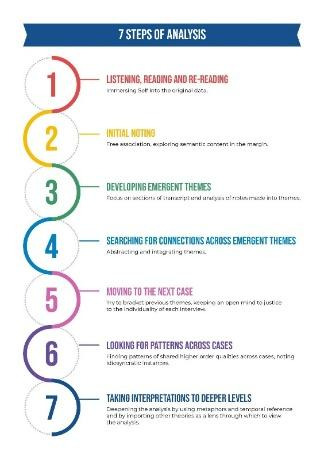
On completion of the interviews, early transcription was enacted (Braun & Clarke, 2013). The transcripts were analysed using Interpretative Phenomenological Analysis (IPA), drawing on Smith, Flowers and Larkin’s (2009) adaptive seven-step approach. IPA was considered appropriate because the study sought to understand how women made sense of the lived experience of infant sleep, motherhood and intergenerational relationships, rather than to establish a single objective account of sleep practices. Its idiographic and interpretative orientation enabled close attention to individual accounts, while also allowing patterns of convergence and divergence to be considered across mother-daughter dyads (Smith et al. 2022).
Analysis was completed manually in order to remain closely engaged with the material. Each transcript was read and reread, with descriptive, linguistic and conceptual observations recorded before emergent experiential themes were developed. Connections between themes were then considered within individual accounts and subsequently across dyads, while maintaining attention to generational position and the relational context in which accounts were produced. The dyadic interview was also treated as a relational context of meaning-making; the accounts were produced in interaction, as well as remembered. Repeated comparison between transcripts, annotations and developing thematic groupings was used to refine the analysis and to identify both shared patterns and meaningful differences. Attention was given not only to what was said, but how meanings were negotiated between the pair. Additionally, aware that the presence of the other may have shaped the accounts provided, limited disclosure or encouraged agreement therefore, the dyadic setting may be both analytically productive and potentially limiting. The seven stages therefore operated iteratively rather than as a strictly linear procedure, with movement back and forth between individual extracts, whole accounts and the developing interpretative structure.
The women were assigned pseudonyms, and the safe storage and retention of data were rigorously upheld. Given the idiographic orientation of IPA, the analysis prioritised depth and interpretative richness rather than treating statistical or thematic saturation as the primary criterion of adequacy (Smith et al. 2022). The relative homogeneity of the final sample and the boundaries this place on transferability are considered further in the discussion.
Findings
Four interrelated experiential themes captured how different generations of Irish women made sense of infant sleep: intergenerational continuity and adaptation of parenting values and practices; moral negotiations around sleep training and settling; sleep as identity work; and the embodied and temporal dimensions of sleep disruption. Across the dyads, infant sleep was not narrated solely as a biological or practical matter. It emerged as a relational, moral and embodied site through which women negotiated inheritance, contemporary advice, maternal adequacy, and the limits of their own bodies.
Table 1. Overview of experiential themes and representative participant accounts
| Experiential theme | Central interpretive focus | Representative participant account |
|---|---|---|
| Intergenerational continuity and adaptation of parenting values and practices | Parenting values such as responsiveness, proximity and care were transmitted across generations, but were also revised in response to contemporary knowledge, infant temperament and family circumstances. | (MGM)Rachel: “My mum would have been very progressive…very pro-breastfeeding…and I think your mum has a huge impact on how you are going to {parent}.” |
| Moral negotiations around sleep training and settling | Sleep practices were negotiated through competing ideas of responsiveness, exhaustion, maternal responsibility and what constituted acceptable or morally sustainable care. | (FTM) Sharon: “Every bone in my body goes against that…we sat in the sitting room nearly crying and looking at the monitor…I feel sick, I feel nauseous listening to him cry.” |
| Sleep as identity work | Mothers interpreted sleep practices as reflections of maternal competence, strength, weakness and anticipated judgement from others. | (FTM)Julia: “I still don’t tell a lot of people that we bed-share…people look at me {like} I am not strong enough to do the cry it out.” |
| The embodied and temporal dimensions of sleep disruption | Fragmented sleep affected women’s bodies, daily functioning, relationships and sense of time, extending the consequences of sleep beyond the night itself. | (FTM)Fiadh: “My back was sore from literally getting up and out so many times during the night…when she was waking up like 12 plus times…I was like, I can’t do this.” |
Intergenerational continuity and adaptation of parenting values and practices.
Continuity across generations was evident in values of responsiveness, care, feeding, proximity and maternal availability. What was transmitted was not simply explicit advice, but tacit knowledge: how to hold, feed, settle, respond and judge what a baby might need. However, this inheritance was not reproduced unchanged. Daughters accepted, revised or resisted maternal practices in light of their own temperament, their baby’s sleep physiology, contemporary safe-sleep messages, partner arrangements, work demands and digital advice cultures.
(MGM) Rachel: “My mum would have been very progressive…very pro-breastfeeding…and I think your mum has a huge impact on how you are going to {parent}.”
(FTM) Fiadh: “It was really hard. And then like, I probably wouldn’t still be breastfeeding if it wasn’t for mum.”
This dyadic pairing illustrates how matrilineal influence operated as both model and support. (MGM)Rachel located her own mother’s values as formative, while (FTM)Fiadh described her mother’s support as sustaining her through breastfeeding difficulty. Such continuities were also visible in bedtime routines and the meanings attached to structure. (MGM)Victoria recalled a household in which “bedtime was never” negotiable; (FTM)Kate, in turn, valued a settled routine and described consulting her mother because she “waits for you to go to her” rather than imposing advice.
The accounts suggested a possible generational pivot. Although differences between the two groups cannot be attributed to generation alone. Grandmothers, recalling earlier periods of mothering retrospectively, more often described reliance on mothers, mother-figures, friends and local community. First-time mothers speaking from within contemporary early motherhood, continue to value maternal reassurance, but more frequently supplemented or displaced it with peers, online searching, apps, social media and professional sleep advice. (MGM)Ruth positioned her mother as “a rock of knowledge” in a context where “there wasn’t really many resources”; (FTM)Hannah described doing things differently and “googling stuff…to see what worked for other people”. The elder remained important, but her role narrowed in some accounts from broad authority to reassurance, particularly around illness, rashes or ordinary infant uncertainty. These differences may reflect both historical changes in the parenting information environment and the women’s differing life stages and retrospective positions.
The sleep location also revealed continuity and revision. Across the dyads, closeness and ease were valued, but the practices through which they were enacted varied. (MGM)Laura described bringing babies into bed because “so long as we all got some sleep, we didn’t care”, while (FTM)Niamh experienced bedsharing as disruptive because her baby was “a really light sleeper”. (MGM)Karen did not recall bedsharing as an option, whereas (FTM)Amy rejected it because she was “too scared I’d roll over on her” and used a co-sleeper instead. Thus, the value of proximity persisted, but was reconfigured through contemporary safety discourse, maternal anxiety, infant temperament and household practicality. Intergenerational continuity therefore coexisted with family-orientated adaptation.
Moral negotiations around sleep training and settling
The second theme concerned the moral and emotional work involved in settling babies to sleep. Participants described extensive experimentation: feeding, rocking, holding, shushing, singing, driving, routines, apps, wake windows, blackout blinds and sleep consultants. The mother’s body frequently became the principal vehicle for sleep. Arms, breasts, hands, voice, pacing feet and physical presence were repeatedly mobilised to secure infant sleep. This intensive bodily labour also intersected with culturally produced ideals of “good motherhood”, in which maternal responsiveness, availability and self-sacrifice may become measures of maternal adequacy. Within participants’ accounts, settling a baby was therefore not only a practical task, but also a site through which women negotiated what they believed a good mother should be willing, and able, to do.
(MGM)Aoife: Holding her hand, so she might sleep for half an hour, or for 50 minutes, and then awake again for two hours, and then exhausted and out of the car and back…She would sleep with the sound of the hoover…but sleeping was very difficult for her. She would sleep with my hand in the cot…swinging the moses basket to try to get her to sleep or anything…Putting her in the pram, pushing the pram over the sash of the floor…the hoover…Joe Dolan, the music, the singing…I have to sing the same three, sitting on the floor with my hand, just trying to get you to sleep.
(FTM) Fiadh: I don’t know how many times she was awake last night, but I feel it was anywhere between 12-15. So, you are just kind of on a bit of a zombie mode…so I have a sleep plan…we are just waiting for the black out blinds…use the huckleberry app and to go off their sweet spot settings, but if I am honest, I find it absolutely awful for both of us … I felt like I was constantly putting a child down who did not want to go to sleep, who was not tired enough. I’m always exhausted. And its bath, you know bedtime routine and then quick dinner and then you never know when she is going to wake up again and then it’s up down, up down, up down, and then to bed and then it’s like repeat the whole circle all over again.
Settling was therefore labour-intensive, iterative and affectively charged. Mothers retained strategies when they were experienced as workable and abandoned or modified them when they became emotionally or physically unsustainable. (FTM)Fiadh’s account of consulting a sleep consultant, trying an app, waiting for blackout blinds and finding the “sweet spot” calculations “awful for both of us” demonstrates how contemporary mothers may encounter an expanded toolkit that offers possibility but also intensifies monitoring, self-scrutiny and frustration.
Sleep training emerged as a particularly moralised terrain. Some women entered motherhood with fixed ideas about “right” and “wrong” approaches, often equating sleep training with “cry it out”. Lived exhaustion complicated these preconceptions. One explained that she initially believed sleep training meant abandonment but later reframed it as potentially acceptable if done “in a holistic way” where the child knows “they’re not being abandoned”.
(FTM)Sharon’s account, by contrast, powerfully captured the embodied rejection of crying-based methods:
(FTM)Sharon: “Every bone in my body goes against that…we sat in the sitting room nearly crying and looking at the monitor…I feel sick, I feel nauseous listening to him cry.”
This language illustrates how sleep practices became attached to compassion, cruelty, strength, weakness and maternal worth. Younger women in particular described feeling caught between opposing camps: breastfeeding and attachment-oriented groups that rejected sleep training, and friends who framed non-intervention as creating “a rod for your own back”. Older mothers often narrated past practices more pragmatically, recalling fewer formalised sleep discourses and less access to competing expertise. Nonetheless, both generations justified and reworked their positions. What united them was not a single approach to sleep, but the search for a morally sustainable compromise between infant responsiveness, maternal capacity, family functioning and improved rest.
Sleep as identity work
Sleep also functioned as identity work. Through sleep, women constructed, defended and revised their sense of themselves as mothers. For younger mothers especially, pregnancy and early motherhood involved anticipatory identity-building through research, courses, books, podcasts and couple discussions. These preparations sometimes provided confidence but could intensify distress when the lived baby did not match the imagined baby.
(FTM) Niamh: “I did quite a lot of research into it before she was born…I kind of had my little plan of what I was going to do.”
(MGM) Lydia: “I just go with it…well sure I have been looking after babies for a long time. I didn’t have any kind of concerns or worries.”
The contrast between (FTM)Niamh and (MGM)Lydia illustrates a pattern evident across several dyads, although this may not be solely understood as straightforward generational difference. First-time mothers more frequently described preparation as information-rich and future-oriented, while grandmothers often remembered entering motherhood through experience, instinct, sibling care and “going with it”. Their accounts are shaped not only by differing parenting cultures, but also by the retrospective position. Grandmothers were recalling early motherhood through a lens with decades of subsequent maternal experience, whereas the contemporary women were negotiating maternal identity in real time. Nevertheless, both generations were confronted by a gap between imagined and lived motherhood. (MGM)Eileen described motherhood as “way harder than I ever thought”, explaining that she could manage “handling a baby” but found “the reality of child rearing and getting a bit of sleep” profoundly difficult. Her reflection that other women appeared to have “perfect” babies who slept, only for later accounts to reveal otherwise, shows how comparison shaped maternal self-doubt across generations.
Sleep challenges were often internalised as measures of maternal adequacy. Participants linked infant sleep to being capable, strong, responsive or failing. (FTM)Miriam worried that sleep loss was affecting “the type of mother” she could be during the day. (FTM)Julia described bedsharing as making her feel she was “doing something wrong”, “not strong enough” and “a bad mummy”. These accounts show how sleep practices were not neutral behaviours; they became symbols through which mothers read themselves and anticipated the judgement of others.
(FTM)Julia: “I still don’t tell a lot of people that we bed-share…people look at me [like] I am not strong enough to do the cry it out.”
(FTM)Miriam: “Even when I was gearing up to do it, I didn’t want to tell her I was doing it…you do feel a bit weaker or something.”
Significantly, (FTM’s)Julia and Miriam occupied different sleep positions, one concealing bedsharing and the other concealing sleep training. Yet both described shame and weakness. This suggests that the shame was not attached to one practice alone, but to mothering under conditions of perceived judgement. The data therefore supports the analytic concept of “sleep-shame”, which is defined here as a domain specific form of maternal shame arising when a mother anticipates, experiences or internalises moral judgement about the way she manages her child’s sleep. Sleep shame is not necessarily attached to any specific sleep practise. Rather, it emerges where sleep decisions become interpreted as evidence of maternal character, competence or adequacy. In this sense, sleep shame can be understood as a particular manifestation of the broader moral surveillance associated with good mother ideology, but one organised specifically around culturally contested expectation of infant sleep and nighttime care.
The embodied and temporal nature of sleep disruption
The final theme concerned sleep deprivation as an embodied and temporal experience. Participants did not describe sleep loss only as tiredness. It was felt in backs, mood, relationships, patience, daily movement, social participation and identity. Broken nights reorganised the day, restricting mobility, exercise, social connection and couple time.
(FTM)Fiadh: “My back was sore from literally getting up and out so many times during the night…when she was waking up like 12 plus times…I was like, I can’t do this.” … “When I was getting chunks of sleep…four or five hours in a row, it just made me able to function…after her sleep deteriorated, I became less interested in joining things.”
(FTM)Fiadh’s account illustrates the bodily and social consequences of fragmented sleep. Consolidated sleep enabled functioning, classes and a “social butterfly” period; deterioration in sleep narrowed her world, reducing energy, exercise and participation. The metaphors used across accounts, “zombie mode”, “not functioning”, “chronically sleep deprived”, “up down, up down”, conveyed a body caught in repetitive cycles of fatigue and care. Sleep deprivation was therefore not contained within the night; it shaped daytime subjectivity and relational availability.
Sleep was also narrated temporally. Mothers measured experience through clock time, developmental time and imagined future time: three-hourly feeds, four-month regressions,
hourly waking, six-month deadlines, return-to-work dates and anticipated daycare transitions. (FTM)Michelle described the first months as “by the book” before a four-month regression brought hourly waking and a sense that she “couldn’t keep going”. Such accounts disrupted the expectation that infant sleep improves linearly. Instead, time became unstable: sleep could consolidate, regress, improve, collapse and require renewed maternal adaptation.
(FTM)Michelle: “For the first few months, it was actually fine…then we got that four-month sleep regression where she was up every hour…I genuinely couldn’t keep going like that.”
Generational time also mattered. Grandmothers narrated sleep disruption from a distance that often softened its embodied intensity. They could place difficulty within the knowledge that children grow and intensive night care ends. Contemporary mothers, by contrast, spoke from within the immediacy of disrupted nights, while simultaneously forecasting future relief: when the baby sleeps, when routines work, when daycare starts, when evenings return. Sleep therefore organised past, present and anticipated maternal selves.
Discussion
The findings demonstrate that infant sleep is not experienced simply as a developmental or behavioural issue, but as a relational, moral and embodied aspect of mothering through which women negotiate inherited knowledge, contemporary expectations and their developing maternal identities. Across the dyads, continuity between generations was evident, particularly in values concerning responsiveness, proximity, care and maternal availability. However, these values were rarely reproduced unchanged. Instead, daughters accepted, revised or resisted elements of their mothers’ practices in response to contemporary safety advice, changing family arrangements, infant temperament, employment demands and the increasing availability of digital and professionalised sources of parenting expertise. In this sense, the findings support understandings of intergenerational transmission as a process of both continuity and adaptation rather than straightforward reproduction (Belsky & Conger, 2009; Pooley & Qureshi, 2016).
The intergenerational transmission evident within the dyads was also relational rather than solely instructional. Mothers were valued not simply because they provided explicit advice, but because they represented familiarity, reassurance and embodied knowledge accumulated through their own mothering histories. For some daughters, maternal knowledge remained highly influential; for others, its authority had become more circumscribed as online resources, peer networks, apps and professional sleep services entered the maternal information landscape. The maternal elder was therefore neither wholly displaced nor uncritically followed. Instead, inherited and contemporary forms of knowledge existed alongside one another, sometimes reinforcing and sometimes contradicting each other. This reflects the wider process model of parenting, in which parental practices emerge through interaction between personal histories, relationships, social circumstances and characteristics of the child (Belsky, 1984). It also develops Pooley and Qureshi’s (2016) description of intergenerational transmission as an entanglement of past, present and future: the women’s accounts showed inherited values being reconsidered through present maternal experience and anticipated future consequences.
The outcomes further demonstrate that contemporary infant sleep practices are intensely moralised. Participants did not speak about settling, bedsharing, sleep training or responsiveness as neutral behavioural choices. Instead, these practices became associated with ideas of compassion, abandonment, strength, weakness, responsibility and maternal adequacy. This finding can be understood in relation to scholarship on the “good mother”, which identifies motherhood as a historically and culturally organised identity shaped by normative expectations rather than a naturally occurring or universal standard (Thurer, 1994; Hays, 1996; O’Reilly, 2021). The women’s accounts illustrate how such expectations become particularly visible around infant sleep, where competing claims to expertise can leave mothers attempting to identify not simply what works, but what a good mother ought to do.
The expansion of expert knowledge appears to have complicated rather than eliminated this uncertainty. Earlier generations often described relying upon mothers, relatives, friends and practical experience, whereas younger mothers encountered a substantially larger field of advice, including apps, social media, online searches, parenting groups, professional sleep consultants and competing philosophies of infant sleep. The scientification and expertisation of motherhood has historically positioned maternal competence in relation to the acquisition and application of authoritative knowledge (Apple, 2006). The present findings suggest that this process has intensified within contemporary sleep cultures. Increased access to information can provide reassurance and new possibilities, but it can also multiply the standards against which women assess themselves. (FTM)Fiadh’s description of apps, wake windows, blackout blinds and the search for a sleep “sweet spot”, for example, illustrates how expertise may generate additional monitoring and self-scrutiny as well as support.
The moral complexity surrounding infant sleep was particularly evident in participants’ accounts of sleep training. Some women entered motherhood with relatively fixed understandings of what sleep training represented, frequently associating it with leaving an infant to cry. However, exhaustion and the practical demands of repeated waking complicated these prior positions. Rather than producing a simple movement towards or away from behavioural intervention, women negotiated compromises between responsiveness to the infant and the limits of their own physical and emotional capacity. These accounts are consistent with previous qualitative research showing that parents may experience behavioural sleep interventions as emotionally difficult or as conflicting with their parenting beliefs (Tse & Hall, 2008; Etherton et al., 2016). The present findings extend this literature by showing how these decisions are also negotiated through maternal identity and anticipated moral judgement. Sleep practices were retained when they remained tolerable and revised when they became unsustainable. The relevant distinction was therefore not between mothers who were responsive and those who were not, but between different attempts to construct a morally sustainable form of care under conditions of fatigue.
This is important because it relocates maternal wellbeing from the margins of infant sleep discussions. Participants’ decisions were shaped not only by beliefs about infant development but by questions of whether the mother herself could continue functioning. The body frequently became the principal mechanism through which infant sleep was achieved: feeding, holding, rocking, walking, repeated rising and physical presence. When sleep disruption intensified, women described bodily pain, impaired mood, reduced patience, withdrawal from social activities and a diminished capacity to participate in daytime life. This is consistent with research linking infant sleep disruption with maternal stress, mood disturbance, anxiety, depression and reduced coping capacity (Hiscock et al., 2008). The present accounts add an experiential dimension to this literature by showing how sleep loss is lived through the body and carried into daytime relationships, mobility and participation. Sleep disruption therefore travelled into the following day, reorganising social participation, intimate relationships and women’s sense of themselves.
The findings therefore also contribute to understandings of matrescence and maternal subjectivity. Becoming a mother involves not only assuming responsibility for an infant but renegotiating identity, bodily autonomy, relationships and expectations of the self. This reflects wider work on matrescence as a developmental and relational transition shaped by cultural expectations and women’s changing sense of self (Athan & Reel, 2015). It also aligns with scholarship emphasising the temporal and intergenerational dimensions of maternal subjectivity, whereby becoming a mother can prompt women to revisit earlier experiences of being mothered and to renegotiate relationships with maternal figures (Stone, 2012; Pascoe-Leahy, 2020). For the first-time mothers in this study, sleep became one of the areas through which a developing maternal identity was tested. Preparation through books, courses, podcasts and research could create an imagined version of motherhood before the baby was born. When lived experience differed from this anticipated version, sleep difficulties were sometimes interpreted as evidence of personal inadequacy rather than as an ordinary feature of infant development. This gap between imagined and lived motherhood also reflects McMahon’s (1995) account of maternal identity as a process of self-transformation rather than a fixed role acquired at birth. The difference between the imagined and lived maternal self consequently became an important source of uncertainty. This distinction may be reflective of both contemporary cultural conditions, the position in early matrescence, rather than age or generation alone.
This process is particularly evident in what may be understood as sleep-shame. Participants occupying apparently opposing positions nevertheless described remarkably similar experiences of secrecy and perceived judgement. (FTM)Julia concealed bedsharing because she feared that others would see her as weak or as doing something wrong, while (FTM)Miriam was reluctant to disclose her decision to attempt sleep training. The significance of these accounts lies in the fact that shame was attached to contradictory practices. This suggests that the problem is not necessarily any individual sleep practice, but the cultural conditions under which maternal decisions become visible, contestable and morally evaluated. In this respect, sleep-shame can be understood as a specific expression of the broader moral surveillance associated with good-mother ideology (Hays, 1996; O’Reilly, 2021). The present findings extend this literature by showing how such judgement can attach to opposing sleep practices, making maternal adequacy difficult to secure regardless of the approach chosen. Sleep-shame may therefore describe a specific form of maternal shame that emerges when mothers anticipate that their handling of infant sleep will be interpreted as evidence of who they are as mothers.
The generational comparison adds an important dimension to this finding. Grandmothers generally narrated their earlier sleep experiences from a position of greater temporal distance and established maternal identity. Their accounts could be interpreted with the knowledge that periods of intensive night care eventually ended and that their children had grown. Daughters, by contrast, were speaking from within the immediacy of early motherhood, while their identities and practices were still being formed and evaluated. The apparent generational difference may therefore reflect not only historical change but different temporal positions within motherhood itself. The younger women were simultaneously experiencing disrupted nights, making present decisions and imagining future relief.
Time was also central to how infant sleep itself was understood. Participants organised their narratives through feeds, wake windows, regressions, work deadlines, return-to-work dates and expectations about when sleep should improve. These temporal markers demonstrate how infant sleep can shape maternal anticipation as much as present experience. When improvement failed to occur according to anticipated developmental timelines, women described frustration and reduced capacity to continue. The experience of sleep was consequently both embodied and temporal: women inhabited disrupted nights while orientating themselves towards an imagined future in which sleep, relationships and personal autonomy might be restored.
Taken together, the findings suggest that infant sleep offers a productive site through which to examine contemporary motherhood. Intergenerationally inherited practices remain meaningful, but they are filtered through changing cultural expectations and increasingly plural sources of expertise. Maternal sleep decisions are made within competing discourses of responsiveness, independence, safety, attachment and family functioning, while the physical limits of the mother remain continuously present. Understanding infant sleep therefore requires attention not only to what mothers do, but to how women interpret those actions, how they experience their bodies and relationships through disrupted sleep, and how maternal choices become entangled with questions of identity, morality and judgement.
Limitations
These findings should be considered in relation to the characteristics of the sample and research design. Participants were drawn from relatively well-educated, economically stable, two-parent Irish families with access to varying forms of social support, and the findings should therefore not be assumed to represent the experiences of mothers living within substantially different social, economic or family circumstances. Joint mother-daughter interviews offered particular insight into shared and contested intergenerational narratives, but the dyadic setting may also have influenced what participants felt able to disclose in one another’s presence. In addition, grandmothers described earlier mothering experiences retrospectively, whereas first-time mothers were often speaking from within the immediacy of disrupted infant sleep. These different temporal positions may have shaped both the intensity and interpretation of their accounts. Consistent with an IPA approach, the study prioritised depth of experiential interpretation rather than statistical representativeness or saturation as an endpoint, and the findings are therefore intended to offer analytically transferable rather than universally generalisable insights.
References
Apple, R. D. (2006). Perfect motherhood: Science and childrearing in America. Rutgers University Press.
Athan, A., & Reel, H. (2015). Maternal psychology: Reflections on the 20th anniversary of Deconstructing developmental psychology. Feminism & Psychology, 25(3), 311–325.
Balsam, R. H. (2000). The mother within the mother. The Psychoanalytic Quarterly, 69(3), 465–492. https://doi.org/10.1002/j.2167-4086.2000.tb00571.x
Belsky, J. (1984). The determinants of parenting: A process model. Child Development, 55(1), 83–96.
Belsky, J., & Conger, R. D. (2009). The intergenerational transmission of parenting: Introduction to the special section. Developmental Psychology, 45(5), 1201–1204.
Belsky, J., Jaffee, S. R., Sligo, J., Woodward, L., & Silva, P. A. (2005). Intergenerational transmission of warm-sensitive-stimulating parenting: A prospective study of mothers and fathers of 3-year-olds. Child Development, 76(2), 384–396.
Blunden, S., & Baills, A. (2012). Treatment of behavioural sleep problems: Asking the parents. Journal of Sleep Disorders.
Bowlby, J. (1969). Attachment and loss: Vol. 1. Attachment. Basic Books.
Braun, V., & Clarke, V. (2013). Successful qualitative research: A practical guide for beginners. SAGE.
Chen, Z., & Kaplan, H. B. (2001). Intergenerational transmission of constructive parenting. Journal of Marriage and Family, 63, 17–31.
Cook, G. (2022). UK parents’ help-seeking behaviour for child sleep: A qualitative investigation into parental preferences and reservations about resources. Health & Social Care in the Community, 30(6), e5378–e5390.
Daly, D. (2020). The maternal health-related issues that matter most to women in Ireland as they transition to motherhood. Women and Birth, WOMBI-1245.
Earner-Byrne, L. (2008). Reinforcing the family: The role of gender, morality and sexuality in Irish welfare policy, 1922–1944. The History of the Family, 13(4), 360–369. https://doi.org/10.1016/j.hisfam.2008.09.004
El-Sheikh, M., & Sadeh, A. (2015). Sleep and development: Introduction to the monograph. Monographs of the Society for Research in Child Development, 80(1), 1–14. https://doi.org/10.1111/mono.12141
Etherton, H., Blunden, S., & Hauck, Y. (2016). Discussion of extinction-based behavioural sleep interventions for young children and reasons why parents may find them difficult. Journal of Clinical Sleep Medicine, 12(11), 1535–1543.
Hays, S. (1996). The cultural contradictions of motherhood. Yale University Press.
Hiscock, H., Bayer, J. K., Hampton, A., Ukoumunne, O. C., & Wake, M. (2008). Long-term mother and child mental health effects of a population-based infant sleep intervention: Cluster-randomized, controlled trial. Pediatric, 122(3), e621–e627. https://doi.org/10.1542/peds.2007-3783
Holt, L.E. (1894) The Care and Feeding of Children: A Catechism for the Use of Mothers and
Children’s Nurses. New York: D. Appleton and Company.
Jenni, O. G., & O’Connor, B. B. (2005). Children’s sleep: An interplay between culture and biology. paediatrics. https://doi.org/10.1542/peds.2004-0815B
Kelly, G. (1955). Personal construct theory. Norton.
Leahy Warren, P. (2005). First-time mothers: Social support and confidence in infant care. Journal of Advanced Nursing, 50(5), 479–488. https://doi.org/10.1111/j.1365-2648.2005.03425.x
Lentin, R. (1998). ‘Irishness’, the 1937 Constitution, and citizenship: A gender and ethnicity view. Irish Journal of Sociology, 8(1), 5–24. https://doi.org/10.1177/079160359800800101
McDonald, L., Wardle, J., Llewellyn, C., & van Jaarsveld, C. H. M. (2014). Predictors of short sleep in early childhood. Sleep Medicine, 15(5), 536–540.
McMahon, M. (1995). Engendering motherhood: Identity and self-transformation in women’s lives. Guilford Press.
Mindell, J. A., Owens, J. A., & Carskadon, M. A. (1999). Developmental features of sleep. Child and Adolescent Psychiatric Clinics of North America, 8(4), 695–725.
Mindell, J. A., Sadeh, A., Wiegand, B., How, T. H., & Goh, D. Y. T. (2010). Cross-cultural differences in infant and toddler sleep. Sleep Medicine, 11(3), 274–280. https://doi.org/10.1016/j.sleep.2009.04.012
O’Reilly, A. (Ed.). (2004). From motherhood to mothering: The legacy of Adrienne Rich’s Of woman born. State University of New York Press.
O’Reilly, A. (Ed.). (2012). From motherhood to mothering: The legacy of Adrienne Rich’s Of woman born. State University of New York Press. https://doi.org/10.1515/9780791484135
O’Reilly, A. (2021). Matricentric feminism: Theory, activism, practice (2nd ed.). Demeter Press.
Parsons, T. (1937). The structure of social action. The Free Press.
Pascoe Leahy, C. (2020). The mother within: Intergenerational influences upon Australian matrescence since 1945. Past & Present, 246(Supplement 15), 263–294. https://doi.org/10.1093/pastj/gtaa041
Pettersen, H. S. (2022). Mothers and public health nurses’ experiences of sleep problems in children aged 6 months to 3 years: A qualitative study. Journal of Clinical Nursing, 1–16.
Phelan, A. (2014). Examining the synergy of practice: The Irish public health nurse’s potential from the first postnatal visit and beyond. Global Pediatric Health, 1, 2333794X14553623. https://doi.org/10.1177/2333794X14553623
Pooley, S., & Qureshi, K. (Eds.). (2016). Parenthood between generations: Transforming reproductive cultures. Berghahn Books.
Rich, A. (1976). Of woman born: Motherhood as experience and institution. W. W. Norton.
Smith, J. A., Flowers, P., & Larkin, M. (2009). Interpretative phenomenological analysis: Theory, method and research. SAGE.
Smith, J. A., Flowers, P., & Larkin, M. (2022). Interpretative phenomenological analysis: Theory, method and research (2nd ed.). SAGE.
Smith, L., Galland, B. C., & Lawrence, J. A. (2017). A qualitative study of how preschoolers’ problematic sleep impacts mothers. Behavioural Sleep Medicine. https://doi.org/10.1080/15402002.2017.1357118
Stearns, P. N. (2003). Anxious parents: A history of modern childrearing in America. New York University Press.
Stearns, P., Rowland, P., & Giarnella, L. (1996). Children’s sleep: Sketching historical change. Journal of Social History, 30(2), 345–366.
Stone, A. (2012). Maternal memory and lived time. Studies in the Maternal, 4(1).
Sviggum, G., Sollesnes, R., & Langeland, E. (2018). Parents’ experiences with sleep problems in children aged 1–3 years: A qualitative study from a health promotion perspective. International Journal of Qualitative Studies on Health and Well-Being, 13(1), 1527605.
Thompson, R., Kehily, M. J., Hadfield, L., & Sharpe, S. (2011). Making modern mothers. Policy Press.
Thurer, S. (1994). The myths of motherhood: How culture reinvents the good mother. Houghton Mifflin.
Tse, L., & Hall, W. (2008). A qualitative study of parents’ perceptions of behavioural sleep intervention. Child: Care, Health and Development, 34(2), 162–172.
Umansky, L. (1996). Motherhood reconceived: Feminism and the legacies of the sixties. New York University Press.
Walker, S., Russi, D., & Sander, T. (2019). Women’s successful transition to motherhood during the early postnatal period: A qualitative systematic review of postnatal and midwifery home care literature. Midwifery, 79, 102552.
Watson, J.B. (1928) Psychological Care of Infant and Child. New York: W.W. Norton.


